
Topics Covered
- What is ammonia?
- What units are used to measure ammonia?
- How does ammonia enter water?
- What are safe levels of ammonia in water?
- Why monitor ammonia in water?
- What methods are used to measure ammonia ?
- How are ammonia values derived from ammonium?
- What are common challenges when monitoring ammonia?
- What makes In-Situ ammonium and ammonia products unique?
- Which ammonium or ammonia product is right for your application?
- How do In-Situ products measure ammonia?
- Additional Resources
What is ammonia?
Ammonia (NH₃) is a colorless, volatile and acrid-smelling gas. It occurs naturally in soil, air and plants, and is a critical chemical component of the global nitrogen cycle. It is even produced in the human body as we break down proteins, eventually being converted into urea for excretion.
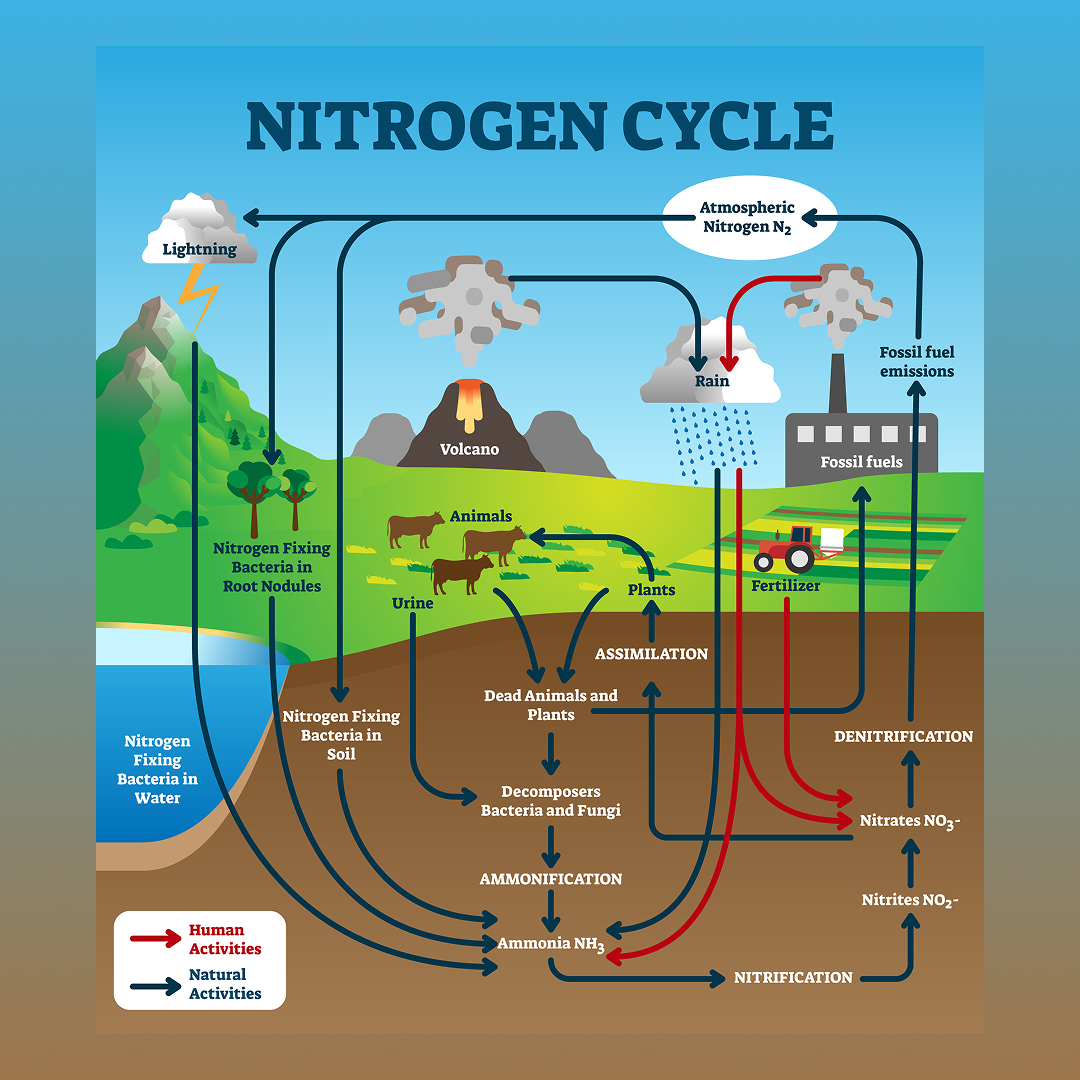
Industrially, ammonia is produced by the high-temperature reaction between molecular nitrogen (N2) and molecular hydrogen (H2). This process, invented in the early 20th century, is known as the Haber-Bosch process:
N2 + 3H2 ↔ 2NH3
This Nobel Prize-winning reaction is how we get ammonia-based fertilizers. It enabled access to the most abundant yet inaccessible molecule in the nitrogen cycle, biomolecular nitrogen (N2), and transformed agriculture and food production as a result. Much of the agricultural industry’s ability to support human populations today can be attributed to the Haber-Bosch process. Why, then, is this naturally-occurring and life-sustaining compound viewed by water experts as a pollutant? See “Why monitor ammonia in water?” to learn more.
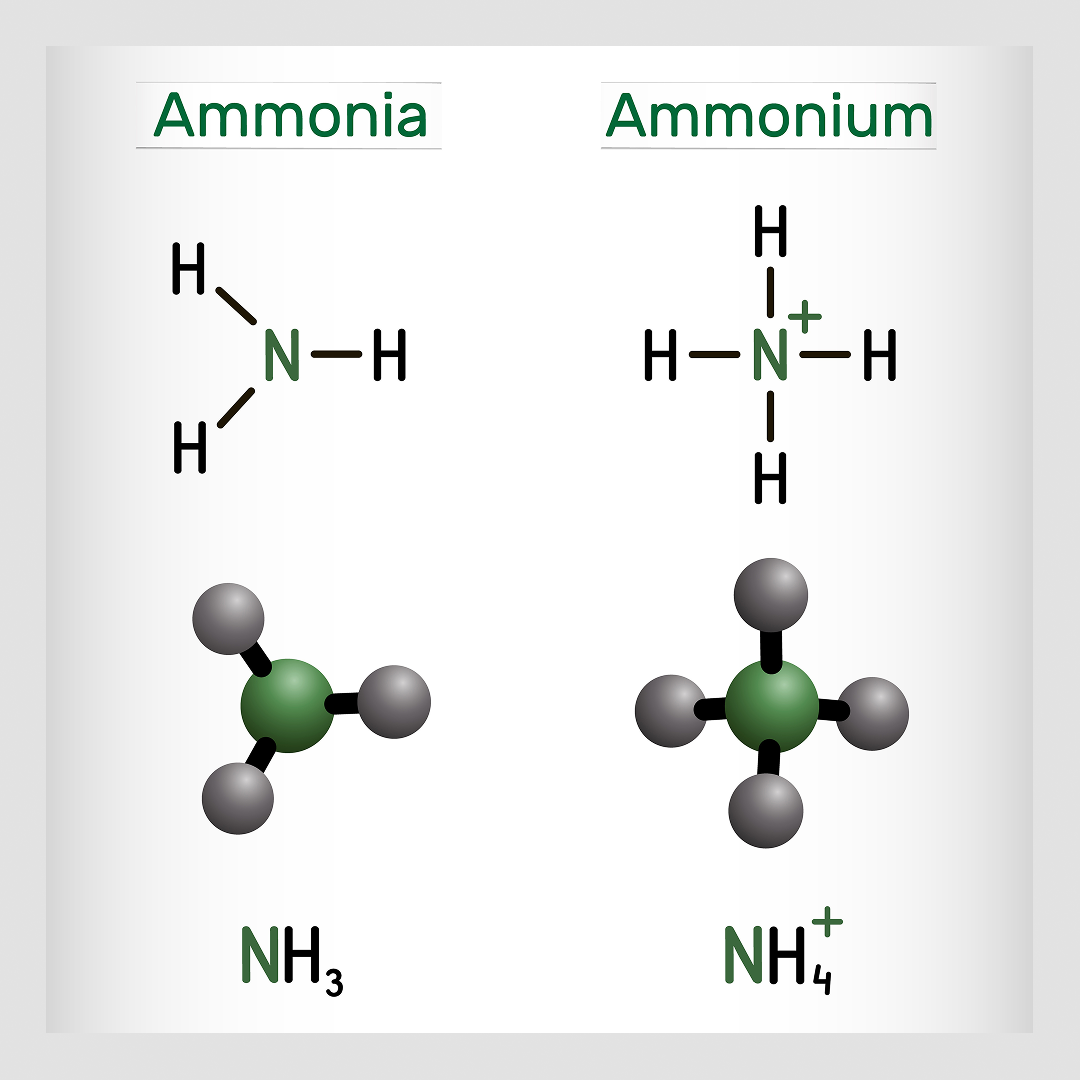
Ammonium (NH4+) forms when an extra hydrogen atom attaches to ammonia. When ammonia dissolves in water or another solution, some amount of it will bond with hydrogen to become ammonium. The pH of the solution will influence how much ammonia is converted to ammonium. A low pH will result in more ammonium, while a high pH will result in more ammonia. The relationship between ammonia and ammonium in solution is determined by the following equation:
NH3 + H2O ↔ NH4+ + OH-
What units are used to measure ammonia?
Ammonia is typically measured in milligrams per liter (mg/L).
How does ammonia enter water?
Natural Water Bodies
The natural source of ammonia in water bodies is microbial decomposition of the proteins and amino acids in organic matter through a process called ammonification. Ammonification is one of the core processes of the global nitrogen cycle. Though a gas, ammonia is highly soluble and ionizes in water to form ammonium (NH4+) via the following equation:
NH3 + H2O ⇋ NH4+ + OH-
As with almost all chemical reactions, temperature can speed up the rate of the reaction in either direction. pH plays a crucial role here as well. In essence, pH is a measure of how many H+ ions are available. Because ammonium forms when a hydrogen ion bonds to ammonia, it is not surprising that at lower pH levels (below 7) the equilibrium of the above reaction shifts toward NH₄⁺, while at higher pH levels (above 8.5) un-ionized NH₃ is more prevalent.
Understanding this equilibrium is required for understanding how ammonia is monitored in water. The less reactive and nonvolatile ammonium is much easier to measure and thus serves as a surrogate for ammonia.
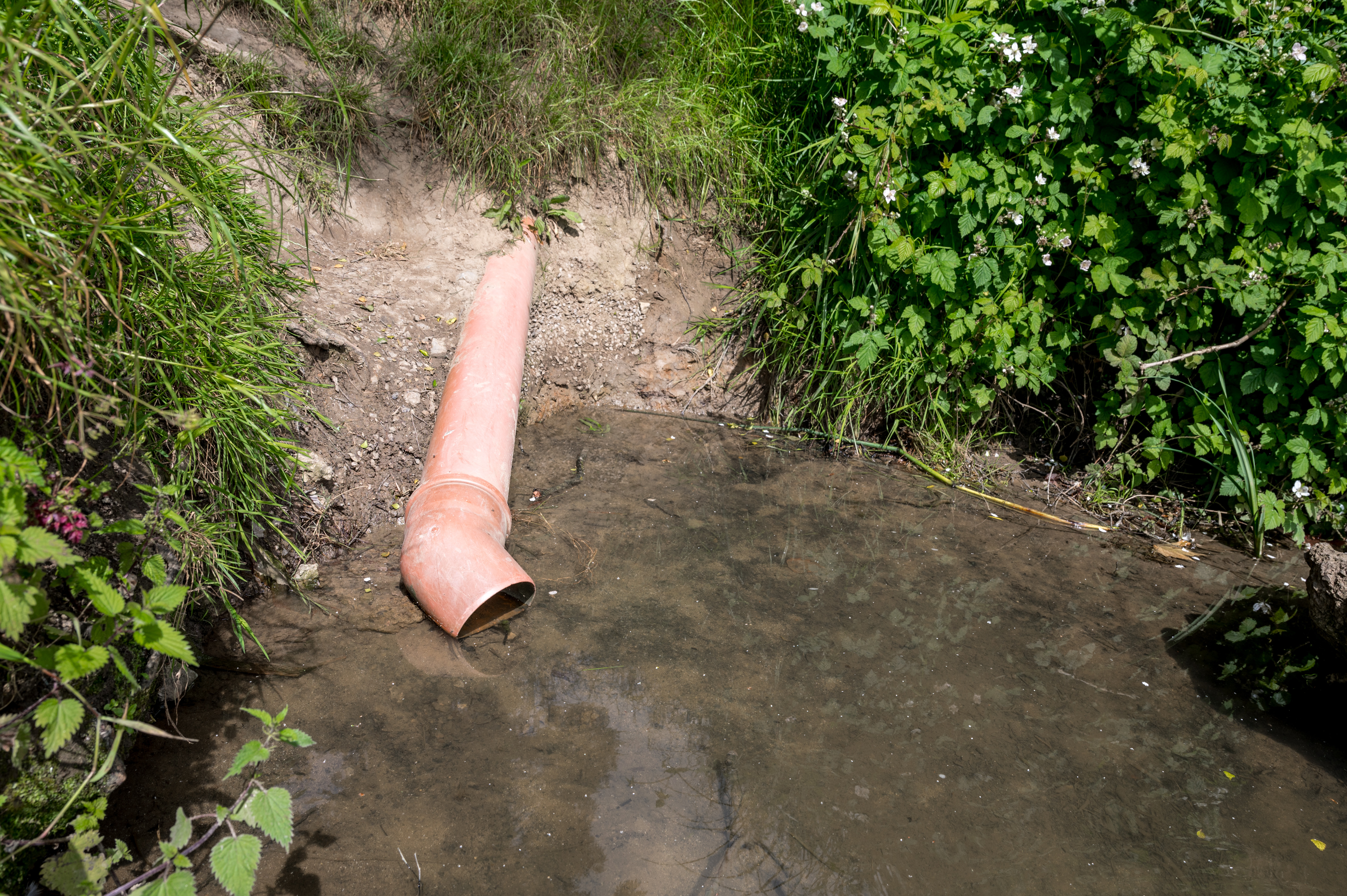
Natural ammonia concentrations in waterways can vary, but a healthy threshold for most environments is less than 0.2 mg/L. These healthy limits can be exceeded due to point and non-point source pollution. Fertilizer runoff and animal manure are major contributors in agricultural settings, where ammonia concentrations can exceed several milligrams per liter. Wastes from chemical manufacturing plants (including fertilizer manufacturing), power plants, and steel mills can release ammonia-laden water through equipment leaks, process condensate and cooling water systems. Human waste is also a source of ammonia. Leaky septic tanks and municipal wastewater treatment facilities can release ammonia-laden water into the environment. In urban settings, sources of ammonia include landfill leachate and stormwater runoff.
Water & Wastewater Treatment
In drinking water treatment plants, ammonia is typically present only when it is intentionally added in controlled concentrations as part of the chloramination process.
In wastewater treatment facilities, ammonia can enter the plant from a variety of sources. Ammonia enters wastewater primarily through the breakdown of nitrogen-containing organic matter found in human and animal waste. Fertilizer entering influent through agricultural runoff can also contribute ammonia to wastewater treatment processes. And depending on the processes and chemicals used, industrial waste may also contain ammonia when entering wastewater treatment facilities.
What are safe levels of ammonia in water?
Natural ammonia concentrations in waterways can vary, but a healthy threshold for most environments is less than 0.2 mg/L. Pristine groundwater typically contains less than 0.2 mg/L, while healthy surface waters (lakes and rivers) generally maintain levels below 0.1 mg/L. Seasonal variations occur, with slightly higher concentrations during periods of high organic matter decomposition. Reservoirs often show stratified ammonia distributions, with higher concentrations in bottom waters during summer stratification.

Why Monitor ammonia in water?
Natural Water Bodies
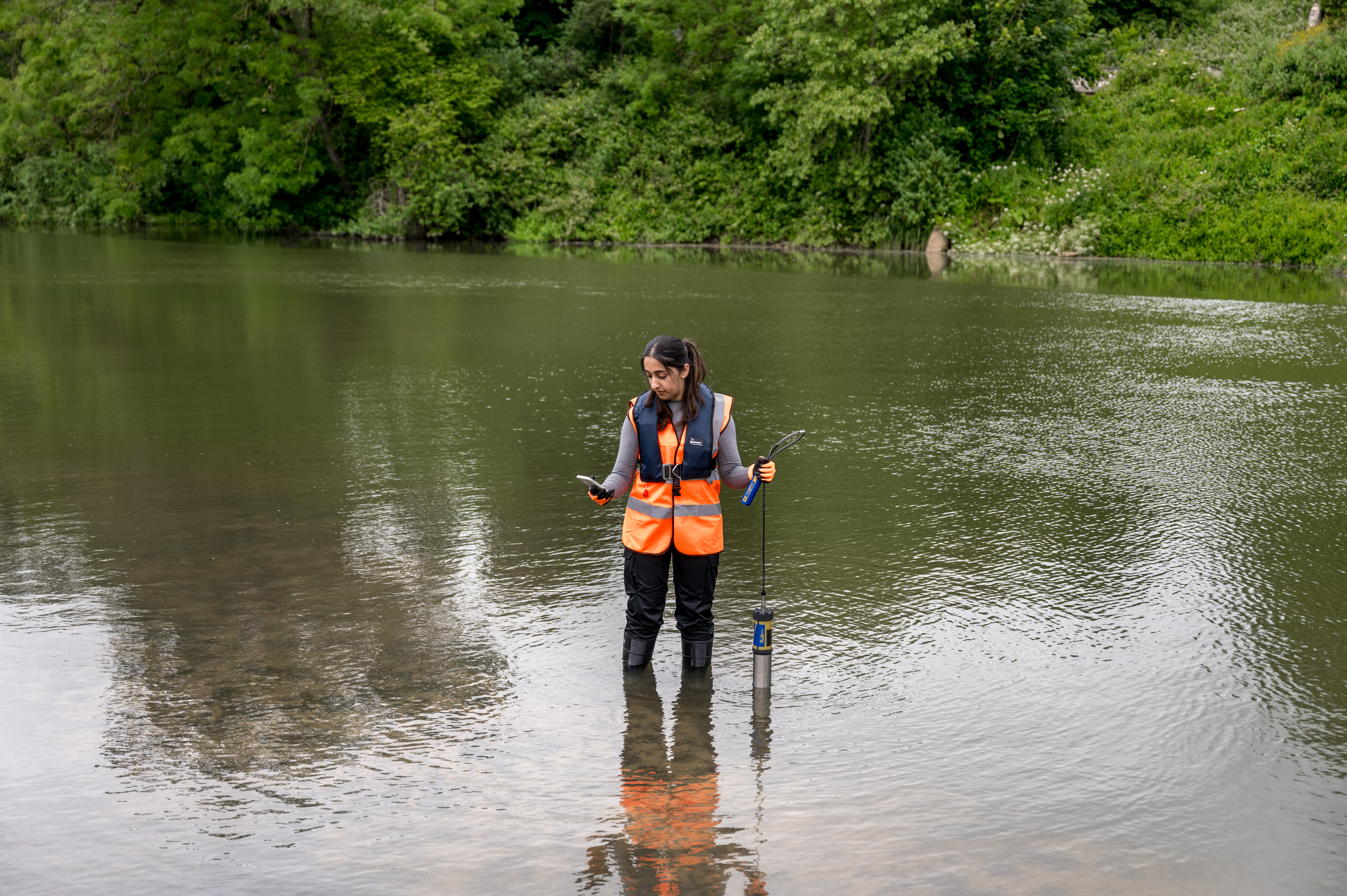
Ammonia is highly toxic to aquatic organisms, particularly fish, at concentrations as low as 0.2 mg/L. It can cause gill damage, reduce growth rates and lead to mass mortality events (“fish kills”). Thus environmental protection is a major driver for ammonia monitoring.
As discussed above (in “How does ammonia enter water?”), various sources of runoff and industrial effluent can carry ammonia into natural waterways. Monitoring ammonia in surface water can point to sources of pollution nearby and inform management practices to protect water quality and aquatic life.
Another driver is public health, achieved by protecting drinking water sources and monitoring treatment processes. Naturally-occurring bacteria in soil and water can convert ammonia into nitrate (NO3-) through nitrification. Nitrate in excess of 50 mg/L in drinking water is a known factor in “blue baby syndrome” in infants (though disputed as a direct cause). “Blue baby syndrome” is so named for the bluish skin tone that indicates the blood’s ability to carry oxygen has been compromised, which can obviously have severe health consequences.
Water & Wastewater Treatment
The efficiency of water treatment processes–in both drinking water and wastewater applications–can be affected by ammonia concentrations.
Ammonia is the primary nutrient that allows bacteria to break down organic matter. For this reason it is a critical component of secondary wastewater treatment processes, particularly nitrification. During nitrification, bacteria convert ammonia to nitrite and then nitrate. High ammonia measurements can indicate factors impeding the process such as insufficient aeration, inadequate sludge age, toxic shock to nitrifying bacteria or improper temperature/pH conditions. Monitoring ammonia allows operators to assess whether complete nitrification has occurred and make adjustments to improve process efficiency, ensure complete treatment and meet discharge permits. Monitoring ammonia to meet discharge requirements ensures natural waters remain habitable for aquatic life and prevents damage to ecosystem health.
The relationship between ammonia and chlorine in drinking water treatment is complex. The chloramination process involves adding calculated doses of chlorine and ammonia to water to form chloramines. The formation of monochloramine, the desired disinfectant, requires a chlorine-to-ammonia ratio of around 4.5:1 (by weight). Excess or insufficient ammonia can cause improper chloramine formation, which can reduce disinfection effectiveness or lead to the formation of undesirable disinfection byproducts. Any ammonia that does not combine with chlorine to form chloramines is referred to as free ammonia. Total ammonia refers to all ammonia ions present in the water in any form, including free ammonia, ammonium and the ammonia component of chloramines.
If too much chlorine is added relative to ammonia, free chlorine may form instead of chloramines, leading to breakpoint chlorination. This also reduces disinfection efficiency and increases the risk of harmful disinfection byproducts like trihalomethanes (THMs). Monitoring ammonia during chloramination helps prevent breakpoint chlorination and its side effects. If too much ammonia is added relative to chlorine, the excess ammonia can promote the growth of nitrifying bacteria, which convert ammonia into nitrite and nitrate. This can lead to loss of disinfectant residual, biofilm growth, and water quality issues in the distribution system.
Many utilities are required to monitor ammonia to comply with drinking water quality regulations. Regulations aim to minimize contaminants and limit taste and odor issues caused by excess ammonia or improper chloramine formation. Ammonia monitoring allows for efficient dosing of both chlorine and ammonia during disinfection, reducing unnecessary chemical use and saving costs through treatment optimization.

What methods are used to measure ammonia?
Due to its gaseous, volatile and reactive nature, measuring ammonia is notoriously difficult. How people measure ammonia depends on the nature of the sample, the anticipated concentration ranges, the location where the measurement is performed and the equipment available. Other factors include the skill of a technician or operator and how quickly results are needed. All of these factors influence the choice of method and technology for measuring ammonia.
Electrochemical Methods
Ion-selective Electrodes
Ion-selective electrodes (ISEs) have become a standard tool for continuous ammonia monitoring. There are two types of ISEs used in ammonia monitoring: those that measure ammonia (NH3) and those that measure ammonium (NH4+).
Ammonia ISEs
ISEs that directly measure ammonia use a hydrophobic gas-permeable membrane that allows only dissolved NH₃ to diffuse through. Inside the membrane, the NH₃ dissolves in an ammonium chloride solution (NH4Cl) of a specific concentration, changing the pH of the solution. This pH change is measured by an internal pH electrode and used to calculate an ammonia concentration. As with all pH measurements, a temperature sensor is also contained within the probe for temperature compensation.
Advantages of this type of ISE include that there are no reagents required (as there are with Nessler’s method, for example), the probes are simple to maintain relative to colorimetric analyzers, and probes from different manufacturers can have surprisingly wide ranges of detection (0.1 to 1000 mg/L NH₃-N). However, interference from volatile amines and fouling in complex sample types (like sludge) are a real challenge. Due to its volatile and reactive nature, ammonia concentrations can change rapidly in a sample, so sample handling is another challenge. For best results, samples are alkalinized to a pH >11 for complete conversion to ammonia prior to making the measurement.
Ammonium ISEs
The second ISE type measures ammonium rather than ammonia. Ammonium ISEs measure the concentration of ammonium ions (NH4+) as a difference in the electrical potential between an ammonium-sensitive electrode and a reference electrode. The relationship between concentration and potential is defined by the Nernst equation. Most ammonium sensors contain both the sensing electrode and reference electrode in a single unit.
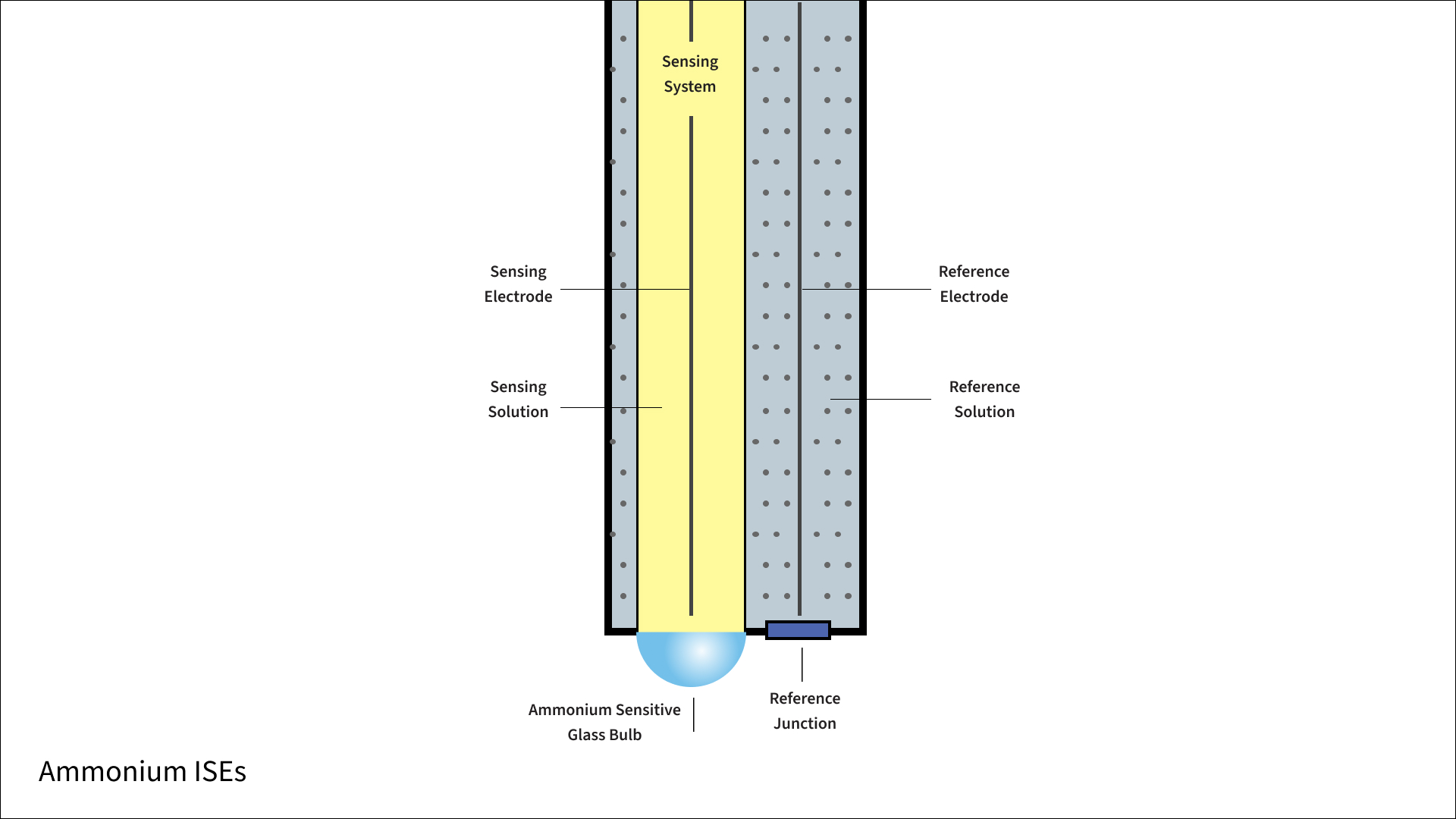
Within the ammonium sensor, the electrode in the ammonium half-cell consists of a glass bulb that is only permeable to NH4+ ions, which gives the sensor ion selectivity (thus making it an ion-selective electrode, or ISE). The solution inside the bulb is at a constant ion concentration. Therefore, a potential difference develops across the glass due to the concentration difference of NH4+ ions on either side of the bulb. To measure this potential, a small amount of current must pass through, so the glass must be permeable to the selected ion.
The reference electrode, or reference junction, provides a stable value for comparison to the ammonium electrode. The reference electrode consists of a silver wire coated in silver chloride sitting in an internal reference solution. Unlike the ammonium-sensitive electrode, however, the reference system does not include an ion-selective glass bulb. Instead, it has a porous frit allowing reference solution migration to the analyte solution, the solution being measured. This is necessary to ensure electrical continuity of the measurement system. When kept at the correct levels, the internal reference solution maintains a consistent electrical potential regardless of changes in ammonium outside the sensor.
The ammonium sensor yields a voltage of the difference in electrical potential generated by the two electrode systems within the sensor. For this reason, ISEs can also be referred to as electrochemical or potentiometric sensors because their measurements are based on electrical potential. The Nernst equation gives us the ion concentration (Q) from the measured voltage difference. Because the glass bulb is selectively permeable to ammonium ions, and we know the potential at which the reference electrode sits, we can directly relate the potential difference to ammonium ion concentration.
As temperature is required for the Nernst equation, the measured potential is temperature dependent, so accurate ammonium measurement almost always requires accurate temperature measurement as well.
This type of ISE operates across the full pH range, so there is no need for sample prep or alkalinization of the sample. Like all ISEs, the necessity of the porous frit and slow leakage of the reference solution gives them a relatively short lifespan. Portable ISEs may contain a single or double reference junction. Another design difference is whether the reference junction is refillable. Refillable sensors have an opening to pour new reference solution into the system, so the entire sensor doesn’t need to be replaced. Nonrefillable reference junctions typically last longer between replacements but require replacing the entire sensing element when reference solution runs out.
In both types of ISEs the electrode response follows a Nernst equation for ammonium measurement:
Ecell = E0 - (RT/nF)lnQ
Where
- Ecell = potential of the ammonium electrode
- E0 = potential of the reference electrode
- R = Gas Law constant
- T = temperature (in Kelvin)
- n = ionic charge (for NH4+, n = 1)
- F = Faraday’s constant and
- Q = reaction quotient
Ammonium ISEs in particular are subject to interference from other univalent cations, the most challenging being potassium (K+). Because of the potential for sodium interference, these ISEs are not as well suited to brackish or ocean environments. With this type of ISE, it is necessary to measure the sample’s pH with an independent probe to extrapolate the concentration of ammonia in the sample.
Gas-Sensing Membrane Probes
Gas-sensing membrane probes are designed to work in air/gaseous environments. To assess ammonia in water, they can be placed in a sealed container above the surface of a water sample (called a “headspace analysis”). The dissolved ammonia creates a barrier between the water and the headspace. The probe measures the gaseous ammonia concentration in the headspace, and Henry’s Law can be used to calculate the concentration of ammonia in the water.
The probes themselves are electrochemical. They typically use a metal-oxide semiconductor (usually tin dioxide or tungsten oxide) that changes its electrical conductivity when exposed to ammonia gas molecules. When ammonia molecules come into contact with the sensor’s surface, they undergo a chemical reaction with the metal oxide, causing electrons to be either donated to or withdrawn from the semiconductor material. This change in electron density alters the electrical resistance of the sensing material, which is then measured by the probe's circuitry and converted into a corresponding ammonia concentration reading. Many modern probes also incorporate temperature and humidity compensation to ensure accurate readings across varying environmental conditions, as well as selective membranes that help filter out interfering gases while allowing ammonia molecules to pass through.
Wet Chemistry Methods
Colorimetric
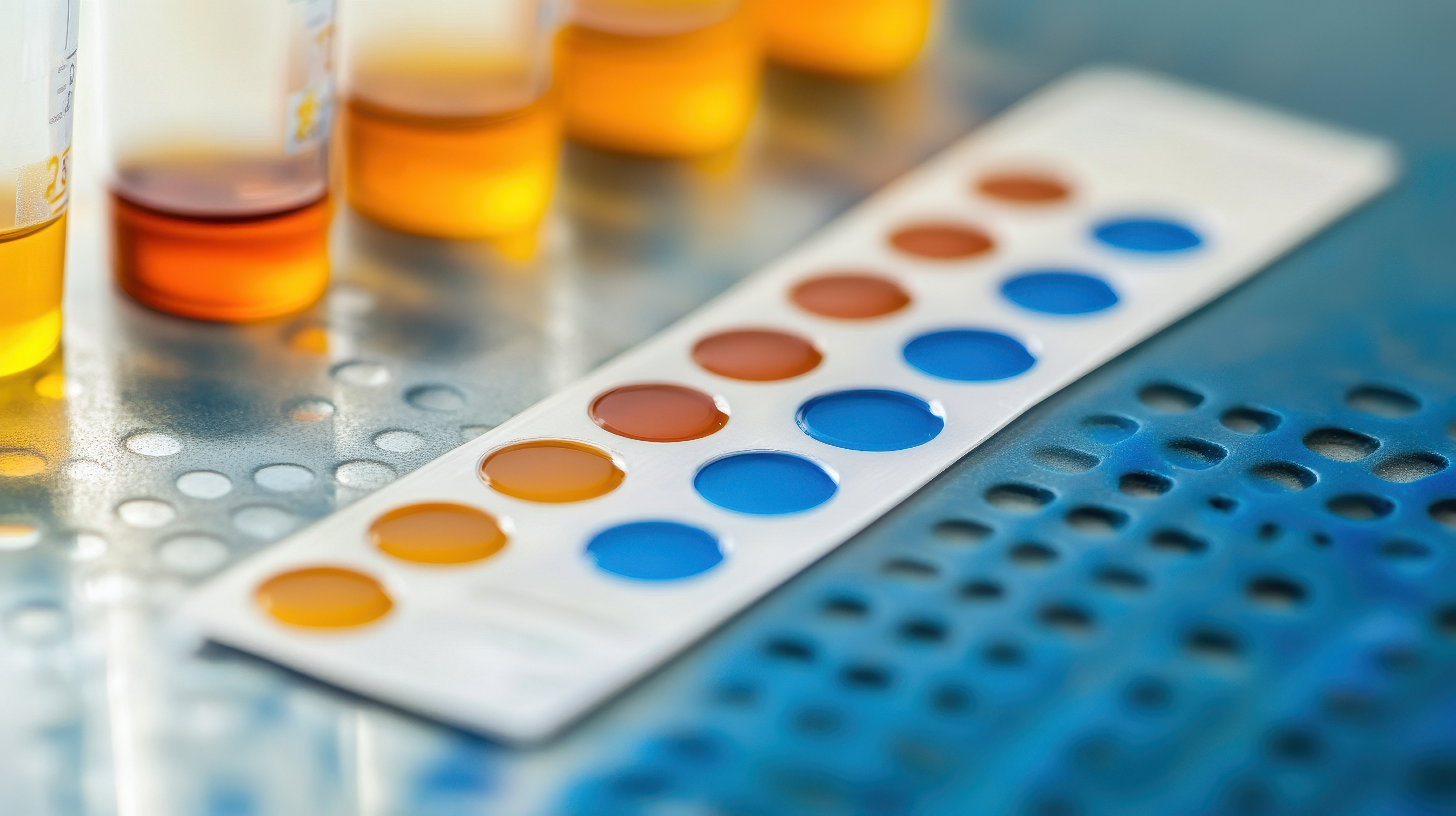
Colorimetric analyzers contain a colorimeter set to detect the intensity of colored light within a specific wavelength range (typically 630-660 nm). Adding reagents to the sample produces color; the intensity of these colors indicates the concentration of the selected parameter (free ammonia or monochloramine) in the sample. Reagents added to the sample serve two purposes. Some adjust the pH of the sample to transform ammonium ions into free ammonia. Some transform free ammonia into monochloramine. Other reagents react with either free ammonia or monochloramine to produce a color specific to that substance. The colorimeter then measures the color intensity and determines the concentration of the substance as compared to a reference solution.
Different colorimetric processes exist. Some colorimetric analyzers employ the Berthelot reaction to measure ammonia while others use the Phenate method. Both rely on the fundamental reaction of ammonia with reagents to form a colored compound whose intensity is then measured by the analyzer. The main difference lies in which reagents are added and how environmental conditions may affect the process.
Spectrophotometry
Spectrophotometers measure the absorption of ultraviolet (UV) light waves as they pass through a sample to determine the concentration of ammonia or monochloramine present. As with the colorimetric method, reagents are added to the sample to transform compounds present in the sample into the desired form (ammonia or monochloramine). These compounds absorb some of the UV light as it passes through the sample. The analyzer compares the amount of initial UV light emitted to the amount of UV light received through the sample. The instrument then calculates the concentration of ammonia or monochloramine in the sample based on this difference. At times, substances in the sample may interfere with or otherwise effect the absorption of UV light. Some spectrophotometers may employ multiple UV wavelengths to account for high-turbidity samples or other characteristics that could affect measurements.
How are ammonia values derived from ammonium?
Ammonia is calculated from the ammonium concentration, pH, temperature and salinity as follows:
B = C⋅10(pH–pKa(T,S))
Where
- B is the dissolved ammonia concentration in mg/L.
- C is the ammonium concentration in mg/L.
- T is temperature in Celsius.
- S is salinity, in ppt (parts per thousand).
- pH is the acidity.
- pKa(T,S) is the ammonia dissociation constant.
What are common challenges when monitoring ammonia?
Environmental
Maintenance Needs
ISEs are known for their particular maintenance needs. Certain design elements essential for their operation also mean the sensors require regular maintenance, but this doesn’t need to become a challenge. As long as you know their basic requirements, you can have confidence in your ammonia data.
First, check the reference solution on your ammonium sensor before every deployment. A full chamber of reference solution ensures the reference electrode presents a stable value. If your sensor includes a refillable reference junction, empty the old reference solution and refill the sensor with new solution. Slightly overfill the chamber before replacing the junction to ensure there are no air bubbles.
Next, condition the ISE membrane. For In-Situ Aqua TROLL ammonium sensors, this involves soaking the sensor in at least 140 mg/L as N standard for at least two hours and preferably overnight. See your manufacturer’s guidelines for the correct conditioning procedures for your sensor. Rinse thoroughly with deionized (DI) water before calibration. ISEs require this conditioning process before every new deployment.
Finally, calibrate your sensor often. An ISE’s reference junction must be porous for the sensor to read accurately, but this requirement means the reference solution slowly leaks into the water. When the reference solution runs low, data will start to drift. Frequent calibration is a necessity for high-quality ammonium data collection. ISEs should be calibrated every time you refill or replace the reference solution or reference junction.
How frequently one should calibrate depends on environmental conditions. In most freshwater scenarios, a four-week schedule is typically sufficient for In-Situ Aqua TROLL ammonium ISEs. But because reference solution is consumed in the process of measuring, sensors in high-ammonium environments may require more frequent calibration. In other scenarios, sensors may be able to last longer than four weeks.

Membrane Dehydration
ISEs need to remain saturated at all times in order to provide accurate measurements. Only install your ammonium sensor in locations where the water level will completely cover the sensor for the full deployment. If the sensor becomes dehydrated, the coating that forms across the ion-selective membrane will be compromised and sensor performance may not return to optimal levels even if reconditioned.
Always store your ISEs in the appropriate storage solution between deployments. Never store an ammonium sensor or other ISE in deionized (DI) water.
Environmental Interferences
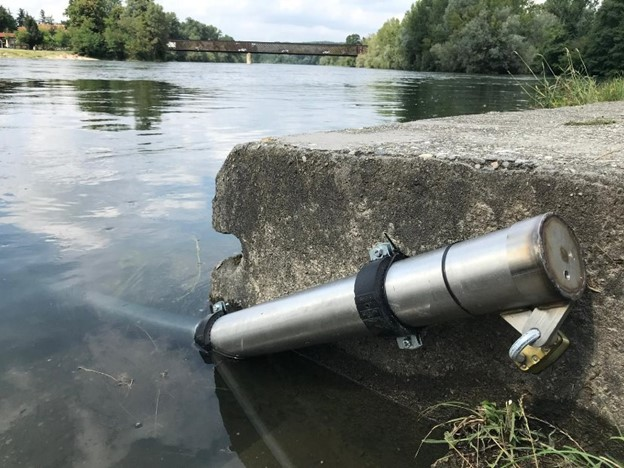
Location is always a consideration when setting up a new deployment, but it’s an even more important factor when deploying ISEs. ISEs are not equally suited to all environmental conditions, but many application roadblocks are easily avoided when you know the necessary considerations.
Take extra care not to deploy the sensor in sediment or in a location where sediment can build up. Long-term functionality of the sensor relies on the ammonium-selective membrane remaining in good condition. Any materials that can block or tarnish the membrane interfere with its ability to let in the ammonium ions, therefore interfering with data collection.
Select a location with variable water level in mind. ISEs need to stay hydrated; if the coating across the ion-selective membrane is allowed to dry out, their performance will be compromised even if reconditioned.
ISEs are susceptible to interferences from high concentrations of ions around the sensor. Each ISE is vulnerable to a different set of ions—ammonium ISEs are particularly sensitive to concentrations of sodium, potassium and magnesium. This can complicate ammonium monitoring in saltwater environments. Sampling for these ions prior to deployment allows for consideration of these factors in sensor accuracy and longevity.
Required Parameters
In order to derive ammonia or total ammonia values from your ammonium sensor, instruments require temperature and pH data alongside ammonium. In-Situ’s multiparameter sondes, for example, should include a conductivity/temperature sensor and a pH sensor alongside ammonium to calculate ammonia measurements.
Sensor Lifespan
Ammonium and other ISEs have a shorter deployment life than other sensors, but they also have a limited shelf life generally—one that varies depending on deployment conditions and other factors. Use calibration data (paying particular attention to mV values) to make a call on when your ammonium sensor has reached end of life. Data drift between calibrations happens more quickly as sensors age. If your sensor is stabilizing more slowly—either during spot check readings or during calibration—that’s another likely sign that your sensor is approaching end of life.
Regularly refilling and replacing the reference solution and junction will significantly extend the sensor’s life, but eventually the membrane becomes ineffective. At that point the sensor will need to be replaced.
Waste & Wastewater Treatment
Sample Handling
One of the biggest challenges when monitoring wastewater processes is reliably extracting a representative sample. Some systems require a high level of filtration to ensure the sample can make it through the system without clogging or blocking the sample lines. However, if filtration changes the composition of the sample, the instrument cannot deliver accurate analysis.
What makes In-Situ ammonium and ammonia products unique?
Ammonium Sensors
Stable Reference Design
The stable reference design of the Aqua TROLL ammonium sensor extends intervals between calibration and reduces maintenance trips to the field. The electronics of the sensor are optimized for stability, reducing noise within the measurement circuits. A large reference chamber holds more solution than typical ISE sensors, providing longer service until the reference solution must be refilled. A unique ceramic reference junction minimizes solution leakage.

Refillable Reference Junction
ISEs generally have shorter deployment times compared to other water quality sensors due to continuous leakage of reference solution. While ISEs containing gel require replacement of the entire sensor when solution runs low, In-Situ ISEs are designed with a refillable reference junction to extend overall sensor life. A replaceable reference junction covers the reference solution chamber. Removing the junction to refill the reference solution makes these sensors easy to maintain and more cost effective than other ISE sensors. All Aqua TROLL ISEs contain their own reference, so drift is isolated and a pH sensor is not required for deployment with other ISEs.

Fast-Response Sensors
Aqua TROLL sensors were designed to quickly reach stability to support applications where sensor response time is critical. A single reference junction allows for close contact between the sensing element and the water, enabling faster readings. A round bulb improves response time through increased surface area.

Field Maintainable
ISEs have unique maintenance needs. Depending on deployment conditions, they may require maintenance more often than other types of sensors. All In-Situ equipment is designed to be field maintainable to streamline setup and deployment. Our maintenance kits assist with reference junction replacement and the VuSitu mobile app includes guides to help with calibration, log setup and more.

Ammonia Analyzers
Detailed Chemometrics
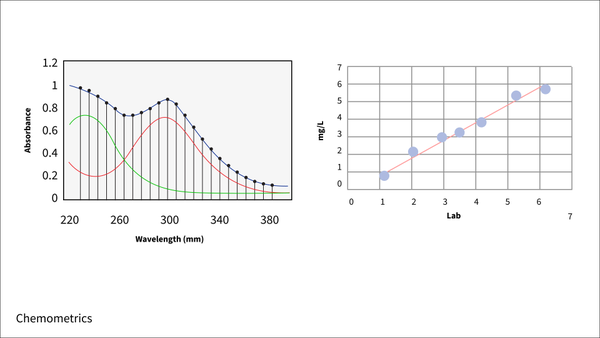
In-Situ UV analyzers deliver accurate process readings across different industrial environments. They measure 256 wavelengths, with up to 30 wavelengths per parameter to ensure accuracy across varying sample characteristics. Wavelengths can be tuned to optimize performance based on plant-specific conditions.
Zero-Point Calibration
Most analyzers use dual-beam correction, which doesn’t correct for fouling in the flow cell. In-Situ UV analyzers provide automated zero-point calibration to correct for electrical noise, optical drift and flow-cell fouling.

Enhanced Reliability
In-Situ UV and mini Analyzers are designed for reliable operation in industrial environments. Reliable manifold design reduces single-point failures. Top-of-the-line pumps minimize the need for replacement, and large sample lines minimize blockage. Integrated self-cleaning features remove buildup in the flow cell and sample lines to extend equipment life. And all components are designed for easy accessibility to streamline routine maintenance procedures.
Simplified Sample Extraction
Optimized extraction is essential to preserve the integrity of the sample and ensure accurate analysis. UV analyzers can accommodate pump options to optimize sample handling for a variety of applications. Peristaltic pump options are designed to pass solids of up to 150 mg/L of TSS, while diaphragm pumps offer long life with maintenance-free components.
Both the UV and mini Analyzer series contain anti-clog sample lines featuring diameters four times larger than competitor systems. Like the peristaltic pump, internal sample lines can also accommodate up to 150 mg/L of TSS without clogging. Sample systems are engineered to require reduced cleaning, with a self-cleaning process that keeps critical monitoring systems operational no matter the sample solution.

Flexible Configuration
Analyzers are traditionally designed to support either multiple parameters or multiple sample lines. The In-Situ UV series can support both multiple lines and multi-parameter analysis to reduce sample handling and filter costs with a single purchase.
For drinking water applications, the ChemScan mini ChlorAm analyzer provides an all-in-one solution for chloramination monitoring: the instrument measures monochloramine, free ammonia, total ammonia and Cl2:N ratio

NSF-Approved Reagents
In-Situ UV Chloramination Analyzers use all NSF-approved reagents. This certification classifies reagents as a non-toxic waste stream, enabling their release back into natural waterways without additional treatment.

Which ammonium or ammonia product is right for your application
Environmental
 Aqua TROLL Ammonium Ion-Selective Electrode Sensor$625.00Pricing only valid in the U.K.
The In-Situ Ammonium ISE Sensor measures ammonium levels in natural water, surface water, groundwater, produced water and aquaculture applications.
Process
 ChemScan mini Analyzer$0.00Pricing only valid in the U.K.
The mini Analyzer provides accurate, reliable and affordable single parameter analysis.
 ChemScan mini ChlorAm Analyzer$20,000.00Pricing only valid in the U.K.
The mini ChlorAm Analyzer provides timely process chemistry measurements to optimize the chloramination process.
 ChemScan 2-Parameter Nutrient Analyzer$60,000.00Pricing only valid in the U.K.
The UV-2250 Analyzer provides online monitoring of up to four sample lines, single parameter
 ChemScan 4-Parameter Nutrient Analyzer$60,000.00Pricing only valid in the U.K.
The UV-4200 Analyzer provides online monitoring of one or two sample lines, up to four parameters
 ChemScan Chloramination Analyzer$25,000.00Pricing only valid in the U.K.
The UV-2250/S analyzer provides process chemistry measurements to control the chloramination process
How do In-Situ products measure ammonia?
Sensors
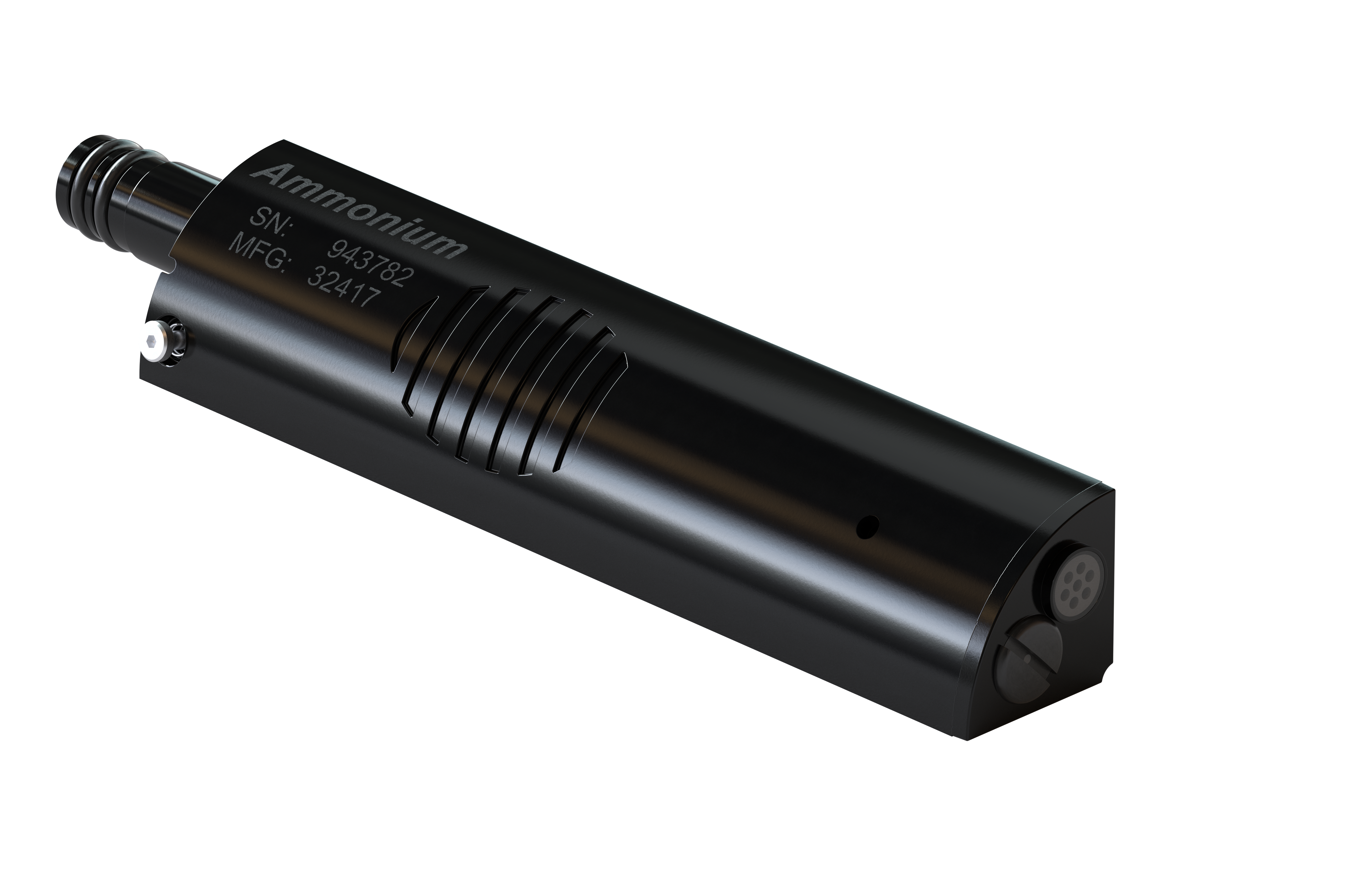
In-Situ ammonium sensors are ion-selective electrodes (ISEs). An ISE measures the difference in electrical potential between a stable reference electrode and an electrode sensitive to the ion being measured. In the case of ammonium, the difference in electrical potential yields the concentration of ammonium ions (NH4+), which is then converted to an ammonium value via the Nernst equation, seen below.
E = E0-(RT/nF)InQ
In-Situ ammonium sensors include the ammonium electrode and reference electrode as half-cells in one unit. The ammonium electrode sits within a potassium chloride (KCl) solution, which conducts electricity between the electrode and a glass bulb selectively sensitive to ammonium ions. The glass bulb changes voltage proportionally to the concentration of ammonium ions in the analyte solution.
The reference electrode, on the other hand, contains a replaceable reference junction, which is porous to allow electrical contact with the sample. The reference electrode is filled with a saturated mixed potassium chloride/silver chloride (KCl/AgCl) solution, which maintains a stable value regardless of the ammonium of the analyte solution when kept at the necessary level.
In any ammonium sensor, the reference junction must contain a porous frit in order to maintain electrical continuity of the measurement system. This allows a small but consistent flow of reference solution to pass out of the junction. Over time, this will change the concentration of the internal reference solution, interfering with its ability to maintain a consistent electrical potential within the reference half-cell. This is a necessary process, as slowing diffusion out of the reference junction can cause unstable ammonium readings and slow sensor response times to changes in ammonium. However, when ammonium readings drift or crash, it is usually due to issues with the reference solution and the frit.
Anaylzers
In-Situ’s line of ChemScan mini Analyzers use different methods based on the form or forms of ammonia they measure. ChemScan mini Analyzers for free and total ammonia both employ the colorimetric method, using reagent-assisted optical absorbance with sample zero correction. There are three options of mini Analyzer to measure ammonia: one measures free ammonia, one measures total ammonia and one measures total ammonia in low-ammonia environments. The mini ChlorAm Analyzer also uses the colorimetric method, tracking reagent-assisted optical absorbance at 660 nm with sample blank correction. This analyzer, designed for the chloramination process, monitors free ammonia, total ammonia, monochloramine and the chlorine-to-ammonia ratio. In-Situ’s ChemScan UV Analyzers use spectrophotometry based in the Berthelot reaction to measure free ammonia, total ammonia, monochloramine and other parameters, depending on the analyzer model. They analyze samples via UV absorbance technology using pattern recognition of spectral data and employ multiple wavelengths of UV light to account for high turbidity and other characteristics in a sample that could influence UV absorption.

- Webinar Achieving High-Quality Data: Metrics and Best Practices From the Field
- Webinar How to Prepare to Meet New Requirements for CSO Impact Monitoring
- Webinar How to Improve Data Quality for Better Water Disinfection Process Control
- Webinar How to Improve Wastewater Treatment Processes and Cost Efficiency with Ammonia-Based Aeration Control
- Webinar Meet the Challenge of Biological Nutrient Removal with the Right Techniques and Tools
- News In-Situ Process Equipment for a Variety of Applications
- News The Optical Advantage: Reliable DO Data Improves Aquaculture
- News Ammonium, Nitrate, and Chloride ISE Sensors Available for the Aqua TROLL 600 Multiparameter Sonde
- News Follow These 5 Tips to Get the Best Data from Your Ammonium Sensor
- News In-Situ Completes Solution for Continuous Water Quality Monitoring with Rugged Buoy
- News Scott Kahle Explores Chloramination and How to Optimize the Process
- Case Studies Ammonium ISE Sensor Calibration Intervals: Extending Beyond Four Weeks
- Technical Notes Ammonia Feed Control for Chloramination
- Technical Notes Ammonia Based Aeration Control
- Technical Notes Total Ammonia
- Technical Notes Free Ammonia in Water and Wastewater
- Papers and Articles Evaluation of Ammonia and Phosphate Analyzer for Use in Low Nutrient