Biological Nutrient Removal
The removal of nitrogen and phosphorus through microorganism activity.

The removal of nitrogen and phosphorus through microorganism activity.
Continuous monitoring of ammonia, nitrogen and phosphorus helps optimize the stages of the BNR process for effective nutrient removal from wastewater. Get timely process measurements for multiple parameters and sample points with industrial-grade online UV analyzers. And rely on customizable sequencers for status updates on the entire BNR process, complete with capabilities to change sampling direction and frequency as needed.
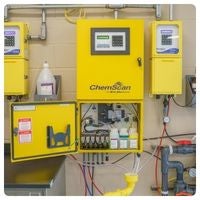
Online, continuous measurements help predict trends in the process, enabling optimal chemical dosing and mixing while reducing demands on staff.
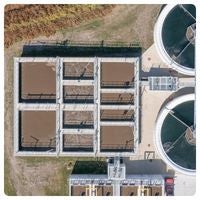
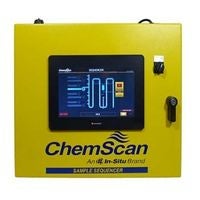
The ChemScan Sample Sequencer provides an overview of each sample point across the plant. Track and analyze trends, set custom alarms, and change sampling direction and frequency in one central location.
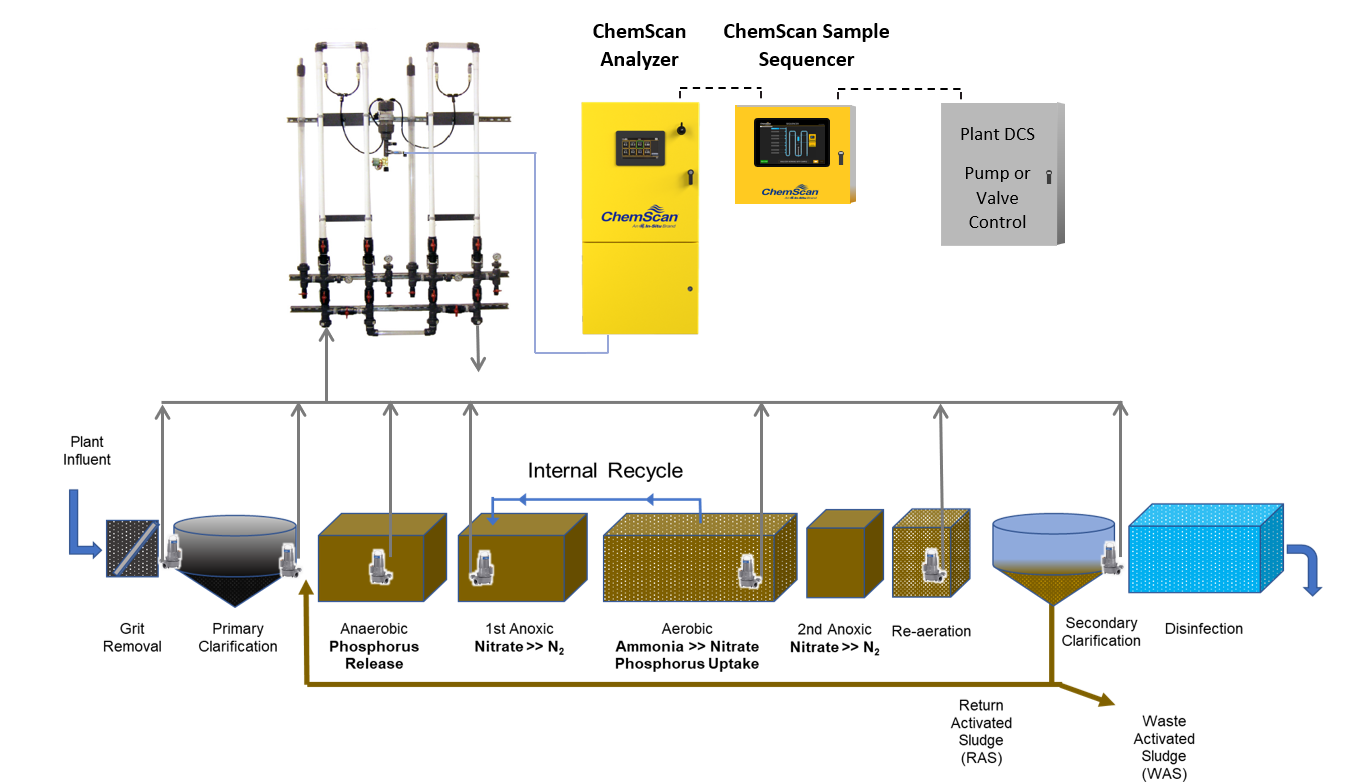
Real-time data enables corrective measures before effluent reaches the discharge point. Sample individual zones repeatedly with ChemScan sequencers to confirm process adjustments have the desired effect.
Monitor multiple sample points for nitrate, nitrite, ammonia and phosphorus using the ChemScan UV Analyzer and Sequencer. Stay on top of your processes and adjust to keep your effluent in compliance.

Our experts are ready to help. Contact us today to let us know how we can support your success.

In environmental applications ammonia is monitored to identify risk to aquatic life posed by high concentrations. In wastewater treatment, ammonia is a nitrogen-containing compound removed through biological nitrification. In drinking water treatment, ammonia is used during the chloramination disinfection process.

Essential to plant growth, nitrate occurs naturally but threatens aquatic life in excess. Wastewater treatment facilities perform nitrification and denitrification as part of their biological nutrient removal (BNR) process. In drinking water treatment, nitrate in source water requires removal through biological or ion exchange.

Phosphate and orthophosphate, the soluble form of phosphate, are measured in wastewater treatment plants because excess phosphorus in a water body can lead to harmful algal blooms. In drinking water phosphorus is used to control corrosion of lead and copper.


