
Topics Covered
- What is pH?
- What units are used to measure pH?
- What affects pH levels in water?
- What are typical pH levels in natural environments?
- Why measure pH?
- What methods are used to measure pH?
- How do In-Situ sensors measure pH?
- What are common challenges when monitoring pH?
- What makes In-Situ pH sensors unique?
- Which pH sensor is right for your application?
- Recursos Adicionales
What is pH?
pH is a measure of the relative amount of free hydrogen (H+) and hydroxide (OH-) ions in an aqueous solution. H is the atomic symbol for hydrogen; pH stands for “potential of hydrogen” or “power of hydrogen.”
The pH of a solution indicates its acidity or alkalinity. Acidic solutions have a higher concentration of hydrogen ions and a lower pH. Basic solutions have a lower concentration of hydrogen ions and a higher pH. Water with equal amounts of each ion will be neutral (pH = 7).
What units are used to measure pH?
pH has a range of 0 to 14, with 7 being neutral. Low numbers indicate a solution is acidic, while higher numbers indicate a solution is basic or alkaline.
pH is measured on a logarithmic scale, meaning that for every unit decrease in pH, the hydrogen ion concentration increases by a factor of 10. So, a solution with a pH of 4 is 10 times more acidic than a solution with a pH of 5 and 100 times more acidic than a solution with a pH of 6.
We arrive at a numeric pH value via the negative logarithm of the hydrogen ion activity (or concentration in moles/liter) in the solution:
pH = -log[H+] or [H+] = 10^pH

What affects pH levels in water?
Natural Influences
pH will differ across thermoclines, chemoclines and in water with different salinity levels, though how salinity affects pH will also depend on the chemical composition of the water.
Environmental processes that influence pH in water do so because of the chemical reaction between water and carbon dioxide. When dissolved in water, CO2 reacts with H2O to form carbonic acid (H2CO3). Carbonic acid can then break down into bicarbonate (HCO3-), releasing a hydrogen ion (H+). Increase in the hydrogen ion concentration of water lowers the pH, making it more acidic. The resulting bicarbonate ion may gain back a hydrogen ion, and the exchange can continue to shift pH back and forth depending on the concentrations of each element.
CO2 is also responsible for the pH of rain. As precipitation falls through the atmosphere, the same reaction between CO2 and H2O takes place, lowering the pH of rain to a slightly acidic 5.6.
The same chemical reactions described above take place when rain, rivers or other sources of surface water pass over or through soil, rock and other natural materials that contain carbonates. The presence of carbonate rock, like limestone, or other carbonate materials can change the pH of water it comes in contact with, changing the pH of the water bodies that eventually receive that water. Other substances can also alter pH when runoff or precipitation encounters them. Volcanic ash, decomposing plant matter and airborne particulates are just a few examples.

pH is an important parameter to monitor when studying harmful algal blooms (HABs). Algae consumes CO2 during photosynthesis, reducing carbonic acid formation and making water more basic. The usual diurnal cycle of plant activity may create small fluctuations in pH due to photosynthesis but not enough to adversely affect aquatic life. With an overabundance of algae, however, pH may quickly and dramatically increase, interfering with a water body’s ability to buffer these changes and placing stress on aquatic organisms.
When discussing influences on pH, it’s important to touch on the role of alkalinity as well. The USGS defines alkalinity as “a measure of the ability of the water body to neutralize acids and bases and thus maintain a fairly stable pH level.” This is also known as its “buffering capacity.” Highly alkaline solutions will be more resistant to the addition of acidic substances; their pH will change, but more slowly than a solution with a lower alkalinity. For example, if acidic runoff entered a high-alkaline lake, the acidity of the lake might not change much; a lower-alkaline lake would become more acidic in response to the same runoff.
A water body becomes alkaline when runoff or precipitation collects certain chemicals, such as calcium carbonate (CaCO3), from rocks or soil before entering the water. When acid is introduced to a solution with a high concentration of carbonates or bicarbonates, compounds in these carbonates and bicarbonates will neutralize the acid, and the pH of the solution will remain stable. If enough acid is introduced, the balance of hydrogen and hydroxide ions will change and pH will decrease. But, for solutions with higher alkalinity, this process occurs more slowly due to the neutralizing effect, or buffer, of bicarbonates.
Water bodies with higher alkalinity (and therefore, higher buffering capacity) are generally able to better support aquatic life, as organisms can’t adapt well to sudden, dramatic changes in pH. A poorly buffered soil or water body will experience more dramatic fluctuations in pH when acidic or basic substances enter or pass through it.
Human Influences
Human activity can release chemicals into water, air and soil that influence pH. If not properly monitored and treated, industrial runoff, effluent discharge and agricultural runoff can all include chemicals that change pH when they enter surface water bodies.
Mining operations also produce chemicals that can enter water through runoff or seep into soil and groundwater. Additionally, mining operations can create acid mine drainage (AMD), which occurs when water reacts with rocks containing sulfur-bearing minerals, such as pyrite (FeS2). This reaction produces sulfuric acid, which can leach heavy metals from the rocks. When mining operations excavate landscapes, they create opportunities for exposed rock to come in contact with water—whether rainfall, snowmelt or flooding. This increases the likelihood that sulfur-bearing minerals will react with water and create AMD.

Acid rain is one of the most well-known influences on the pH of water bodies. Acid rain can form after natural events such as volcanic eruptions, but fossil fuel emissions are a far more common cause.
As discussed under “Natural Influences,” rain already has a slightly acidic pH of 5.6 due to the reaction between H2O and CO2 as rain falls through the atmosphere. When industrial operations release sulfur dioxide (SO2) and nitrogen oxides (NOX) into the atmosphere, these chemicals react with water to lower the already-acidic pH of rain. It then becomes acid rain, defined as having a pH value between 4.2 and 4.4.
In certain environments, like deserts, sulfuric and nitric acids may settle on surfaces as dry deposition, descending in gas or particulate form in the absence of rain. This doesn’t eliminate the threat of pollution; when rain or runoff washes over areas where dry deposition has settled, the water will collect these acids and carry them into surface water bodies or groundwater.
As CO2 in the atmosphere increases due to fossil fuel emissions, more and more of it dissolves into the ocean. The resulting creation of carbonic acid and its dissociation into bicarbonate and hydrogen ions is responsible for ocean acidification across the globe. According to the National Oceanic and Atmospheric Administration (NOAA), the pH of seawater has dropped by 0.1 pH units since the onset of the industrial revolution. As pH is a logarithmic scale, even a 0.1 decrease in pH represents a big difference; NOAA estimates this shift indicates a 30 percent increase in ocean acidity. You can read more on ocean acidification from NOAA here.
What are typical pH levels in natural environments?
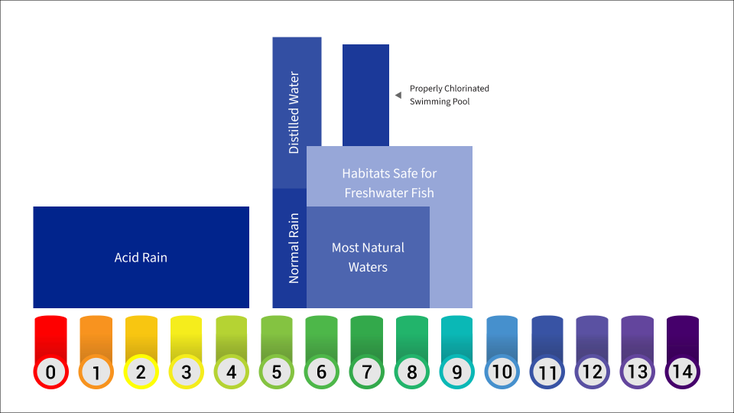
Most natural waters are slightly basic (with an approximate pH of 6-8) because of the concentration of carbonates (CO32-) and bicarbonates (HCO3-) in the water.
- Acid rain <5
- Normal rain 5.6
- Distilled water 5.6
- Habitats safe for freshwater fish 6-9
- Properly chlorinated swimming pool 7.2-7.6
- Most natural waters ~6-8
Why measure pH?
pH plays a large role in keeping ecosystems balanced and is an important indicator of ecosystem health. The solubility of many chemicals is pH dependent, so monitoring pH can provide valuable information regarding the availability of chemical compounds to microorganisms and other aquatic life, and provide insight into the types and rates of chemical and biological processes occurring in a water body.
Surface Water & Coastal
Most organisms are sensitive to changes in pH and have limited ranges they can live in, so monitoring pH is an important indicator of the overall health of a water body. The solubility of most chemicals is pH dependent and determines the availability of those chemicals to living organisms.
pH can also indicate the presence of pollutants. Tracking changes in pH can help identify chemicals entering water bodies through agricultural runoff, treated wastewater, mining runoff or other industrial effluent. Low pH could also point to acid rain; acidic surface water may warrant monitoring for air pollution, or testing the soil to determine if rain carried chemicals into nearby water bodies after passing over contaminated land.
pH is also relevant to the study and detection of harmful algal blooms (HABs). Fresh water can be slightly acidic (with a pH as low as 6), depending on the concentration of dissolved carbon dioxide (CO2). The carbon dioxide combines with water to form a small amount of carbonic acid (H2CO3) and this process lowers the pH. Conversely, consumption of excess CO2 can raise the pH of water. As HABs grow, algae consumes more and more CO2. Therefore, a rapid rise in pH can indicate the formation of HABs.

pH is also important to consider in relation to ammonia and ammonium–for the assessment of environmental health and also for commercial aquaculture. pH values below 5 in natural waters are generally too acidic for most aquatic life. Freshwater fish species survive best in the pH range of 6 to 9. pH affects the ammonia/ammonium equilibrium in water. At a pH of 6.5, almost all ammonia is in the form of ammonium. However, as the pH becomes more basic, ammonium becomes harmful ammonia. Fish can tolerate a moderate amount of ammonium, but even a small amount of ammonia is detrimental to their health. The lethal dose of ammonia for trout, for example, is only 0.2 mg/L. It’s important that outdoor aquaculture operations–whether established in ponds, lakes, harbors or coastal nearshore environments—monitor pH closely to ensure small changes in ammonia don’t wipe out their harvest.
pH is also important to monitor in recreational water bodies for public health. While humans can tolerate a wider range of pH levels compared to many other organisms, pH outside of range 4-11 can cause skin and eye irritation for humans.
On a global scale, pH in coastal waters is a sign of increasing ocean acidification. The pH of oceans worldwide has remained relatively stable for millennia. But since the industrial revolution, seawater has become more acidic as it absorbs carbon dioxide from the atmosphere. NOAA estimates a current average ocean pH of 8.1–a 30 percent increase in acidity in the last 200 years. Scientists are forecasting a drop to 7.8 in the next 100 years if current rates of carbon emissions continue. While many organisms can tolerate a pH as low as 6, acidic water slows and prevents the formation of CaCO3. Ocean acidity will present problems for calcium carbonate-forming organisms like corals and mollusks–and potentially other organisms as well if acidification continues at the current rate. That kind of change would lead to unprecedented impacts on aquatic life. It’s important to continue monitoring ocean acidity to understand how this global shift is affecting our seas.
Groundwater
The matrix groundwater flows through can affect its pH, so monitoring pH in groundwater may be an indicator of the chemical composition of formations surrounding a well and, therefore, what substances are flowing into the aquifer.
Just like surface water bodies, groundwater is subject to the influences of acid rain and pollutants from industrial activities, because rain and runoff that flows through surface water can also seep into soil and groundwater. pH levels in groundwater can point toward which substances are influencing pH and whether those chemicals are naturally occurring or from human activity.
Additionally, monitoring pH during drilling or well development is a helpful measure to assess contamination. A change from initial pH levels can be a sign that a substance is leaching into the well. If groundwater becomes basic during well development, that could indicate the presence of cement.
Water & Wastewater
Because pH influences the solubility and availability of chemicals in water, monitoring pH during water and wastewater treatment can inform decision making around process adjustments.
pH plays an important role in contaminant removal. For example, chlorine is more effective in the disinfection process when water is in the neutral pH range of 6.5 to 7.5. Many pathogen-removal processes are pH dependent, and many EPA regulations regarding standards for disinfection include requirements for pH. As for influent, monitoring pH in source water helps drinking water facilities determine the most effective approach to treat water coming into their plant.
Ensuring specific pH levels in finished water is essential for effective corrosion control. Acidic drinking water can corrode plumbing and appliances. While the EPA defines a pH between 6.5 to 8.5 as healthy drinking water, a pH between 7.2 and 7.6 for finished water ensures optimal corrosion control. Outside of this range, pH can contribute to lead leaching from brass fittings and dissolving in distribution infrastructure. It can also cause formation of lead-carbonate scale.
pH also impacts the effectiveness of filtration. Natural organic matter, volatile organic compounds (VOCs) and synthetic organic compounds (SOCs) are all influenced by pH. These reactions can make filters more or less effective depending on the type of filtration material used.
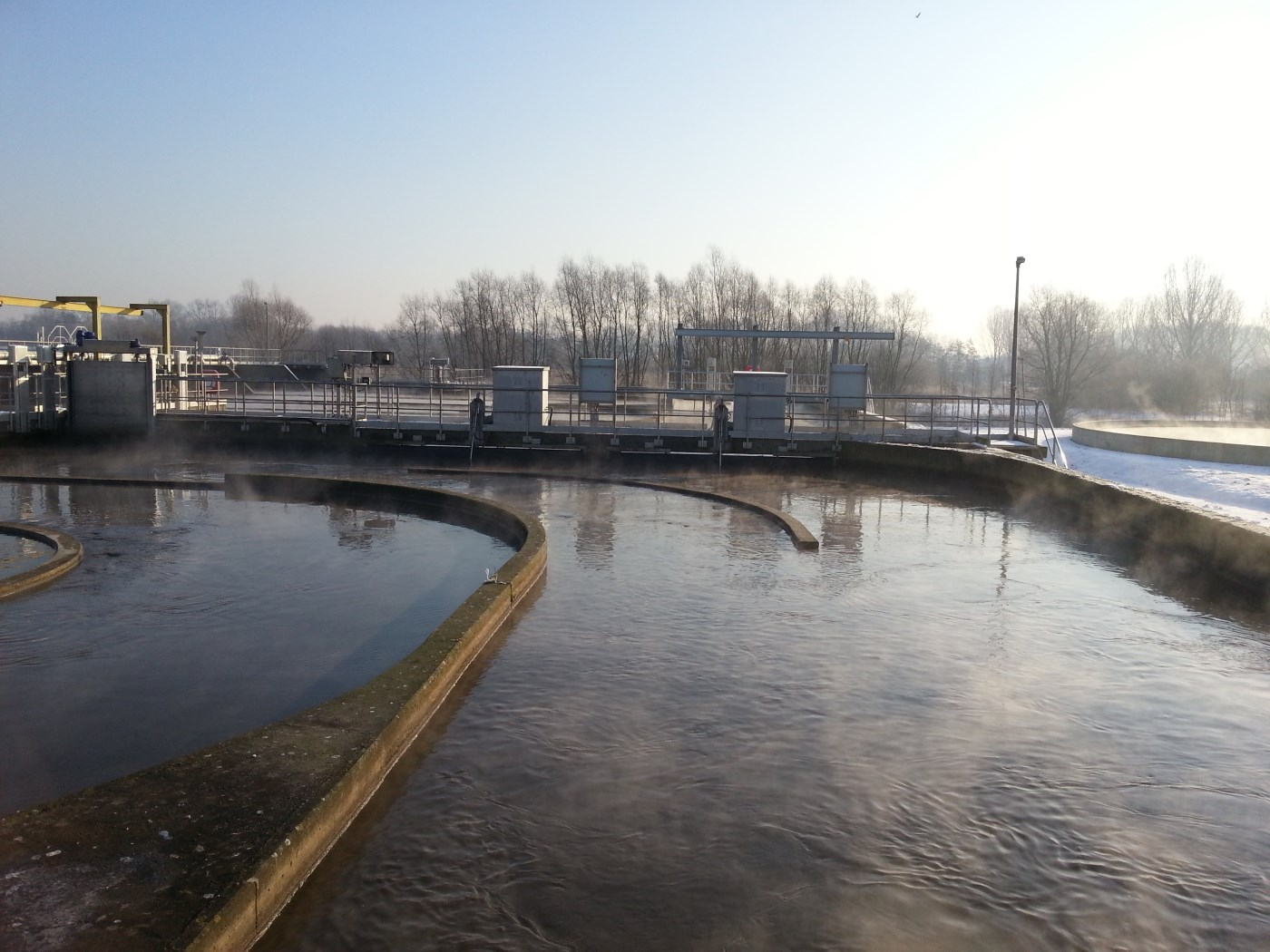
Paying close attention to pH is critical for effective chemical dosing. As mentioned above, pH influences the solubility and availability of chemicals for specific reactions and processes. Changing acidity may inhibit treatment processes, so it’s important to measure pH at chemical dosing points to ensure pH is conducive to the desired chemical process.
Especially important to keep in mind, however, is the logarithmic nature of the pH scale. Because each number represents a change in pH to a factor of ten, even small changes in pH can have dramatic effects on the efficiency of chemical dosing. It is therefore essential to clean, calibrate and maintain pH sensors according to manufacturer instructions to avoid costly overdosing or underdosing in response to potentially inaccurate measurements.
At times, acidic or alkaline substances may be added to influence pH during the treatment process. For example, certain ion compounds, such as ferric acid, may be required for phosphate removal, but increase the acidity of water–a reaction that must be corrected later in the process.
pH also has an impact on biochemical processes. It can influence microorganism activity, an important factor for phases of water and wastewater treatment involving bacteria, such as nitrification. The optimal pH for nitrification is between 8 and 9. Free ammonia (NH3) and free nitrous acid (HNO2) slow the nitrification process by interfering with nitrifying bacteria. Nitrification diminishes the level of bicarbonates and increases carbonic acid; this causes a drop in pH. If pH drops during the process, ammonia oxidation also declines. Aeration helps mitigate this change by removing carbon dioxide from the tank. Any treatment process that involves bacterial activity could be influenced by these chemical reactions in a similar way.
What methods are used to measure pH?
Unlike many other parameters, technology used to measure pH has not changed much over time. There are two main methods in use today: colorimetric indicators and electrodes.
Colorimetric Indicators
Certain chemicals will change color based on the acidity or alkalinity of a solution. Colorimetric indicators are paper strips treated with one of these chemicals. When placed in the test solution, the paper will change color based on the solution’s pH. A chart provided by the manufacturer indicates which pH value each color represents.
Colorimetric indicators are a quick and effective way to determine pH. They are easy to use and test kits are widely available to the public, for everything from soil pH in home gardens to experiments in science classrooms. However, colorimetric indicators only provide a value for one point in time and are not suitable for applications where continuous pH measurements are required.

Electrodes
pH sensors are ion-selective electrodes (ISEs), meaning they measure hydrogen ion concentration as a difference in the electrical potential between a pH-sensitive electrode and a reference electrode, with the relationship between concentration and potential given by the Nernst equation, as seen below. Most pH sensors contain both the pH electrode and reference electrode in a single unit.

The Nernst Equation
Ecell = potential of the pH electrode
E0 = potential of the reference electrode
R = Gas Law constant
T = temperature (in Kelvin)
n = ionic charge (+1 for Hydrogen)
F = Faraday’s constant and
Q = Reaction quotient
Within the pH sensor, the electrode in the pH half-cell consists of a glass bulb that is only permeable to hydrogen ions, which gives the sensor ion selectivity (thus making it an ion-selective electrode, or ISE). The solution inside the bulb is at a constant ion concentration. Therefore, a potential difference develops across the glass due to the concentration difference of hydrogen ions on either side of the bulb. To measure this potential, a small amount of current must pass through, so the glass must be permeable to the selected ion.
The reference electrode, or reference junction, provides a stable value for comparison to the pH electrode. The reference electrode consists of a silver chloride coated silver wire sitting in an internal reference solution. Unlike the pH electrode, however, the reference system does not include an ion-selective glass bulb. Instead it has a porous frit allowing reference solution migration to the analyte solution, the solution being measured. This is necessary to ensure electrical continuity of the measurement system. When kept at the correct levels, the internal reference solution maintains a consistent electrical potential regardless of changes in pH outside the sensor.
The pH sensor yields a voltage of the difference in electrical potential generated by the two electrode systems within the sensor. The Nernst equation gives us the ion concentration (Q) from the measured voltage difference.
The Nernst Equation
Because the glass bulb is selectively permeable to hydrogen ions, and we know the potential at which the reference electrode sits, we can directly relate the potential difference to hydrogen ion concentration.
As temperature is required for the Nernst equation, the measured potential is temperature dependent, so accurate pH measurement almost always requires accurate temperature measurement as well.
While configurations differ, both portable pH sensors and laboratory benchtop units use these basic elements for their measurements. ISEs can also be referred to as electrochemical or potentiometric sensors because their measurements are based on electrical potential.
While the method of arriving at pH measurements is the same, pH electrodes can differ in design to make them more suited to the conditions of specific applications.
The first design choice is whether the electrode includes a single or double reference junction. The reference junction must be porous to allow contact with the analyte solution; pH sensors can’t operate accurately unless this contact is maintained. However, this means that the reference solution is slowly but consistently leaking out of the sensor. When the reference solution runs low, the electrical potential generated by the reference system may change, and the sensor may begin to drift.
Sensors with a single reference junction include less reference solution and therefore require refill or replacement more quickly. The benefit to this design, however, is sensor response time. A single reference junction allows for closer contact between the reference electrode and the solution outside the sensor. This enables the sensor to stabilize more quickly and generate readings faster than sensors with a double reference junction.
Sensors with a double reference junction are better suited to monitoring in industrial applications and other harsh environments. The reference junction must be porous, but this design allows contaminants to enter the reference solution. If contaminants reach the reference electrode, it could become damaged. A double junction protects the reference electrode by extending the distance these contaminants have to travel to reach it, therefore extending sensor life. A double reference junction also holds more reference solution, so it takes longer for the reference solution in these sensors to become diluted. This allows the reference solution to sustain a stable concentration longer than in single reference junction sensors for an overall longer lifespan.
pH electrodes also contain one other design difference: whether or not the reference solution is refillable. Some pH sensors include an opening to pour new reference solution into the system, so the entire sensor doesn’t need to be replaced. Nonrefillable reference junctions typically last longer between replacements, but require replacing the entire sensing element when reference solution runs out.
How do In-Situ sensors measure pH?
In-Situ pH sensors are ion-selective electrodes (ISEs). An ISE measures the difference in electrical potential between a stable reference electrode and an electrode sensitive to the ion being measured. In the case of pH, the difference in electrical potential yields the concentration of hydrogen ions, which is then converted to a pH value via the Nernst equation, seen below.
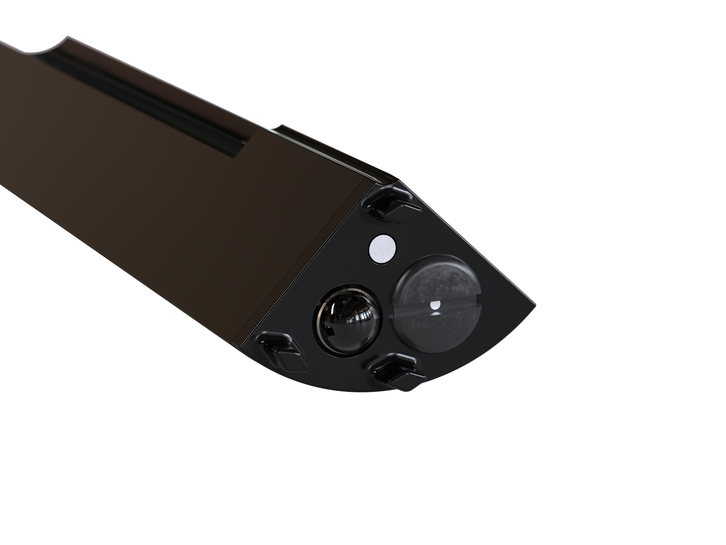
In-Situ pH sensors include the pH electrode and reference electrode as half-cells in one unit. The pH electrode sits within a potassium chloride (KCl) solution, which conducts electricity between the electrode and a glass bulb selectively sensitive to hydrogen ions. The glass bulb changes voltage proportionally to the concentration of hydrogen ions in the analyte solution.
The reference electrode, on the other hand, contains a replaceable reference junction, which is porous to allow electrical contact with the sample. The reference electrode is filled with a saturated mixed potassium chloride/silver chloride (KCl/AgCl) solution, which maintains a stable value regardless of the pH of the analyte solution when kept at the necessary level.
In any pH sensor, the reference junction must contain a porous frit in order to maintain electrical continuity of the measurement system. This allows a small but consistent flow of reference solution to pass out of the junction. Over time, this will change the concentration of the internal reference solution, interfering with its ability to maintain a consistent electrical potential within the reference half-cell. This is a necessary process, as slowing diffusion out of the reference junction can cause unstable pH readings and slow sensor response times to changes in pH. However, when pH readings drift or crash, it is usually due to issues with the reference solution and the frit.
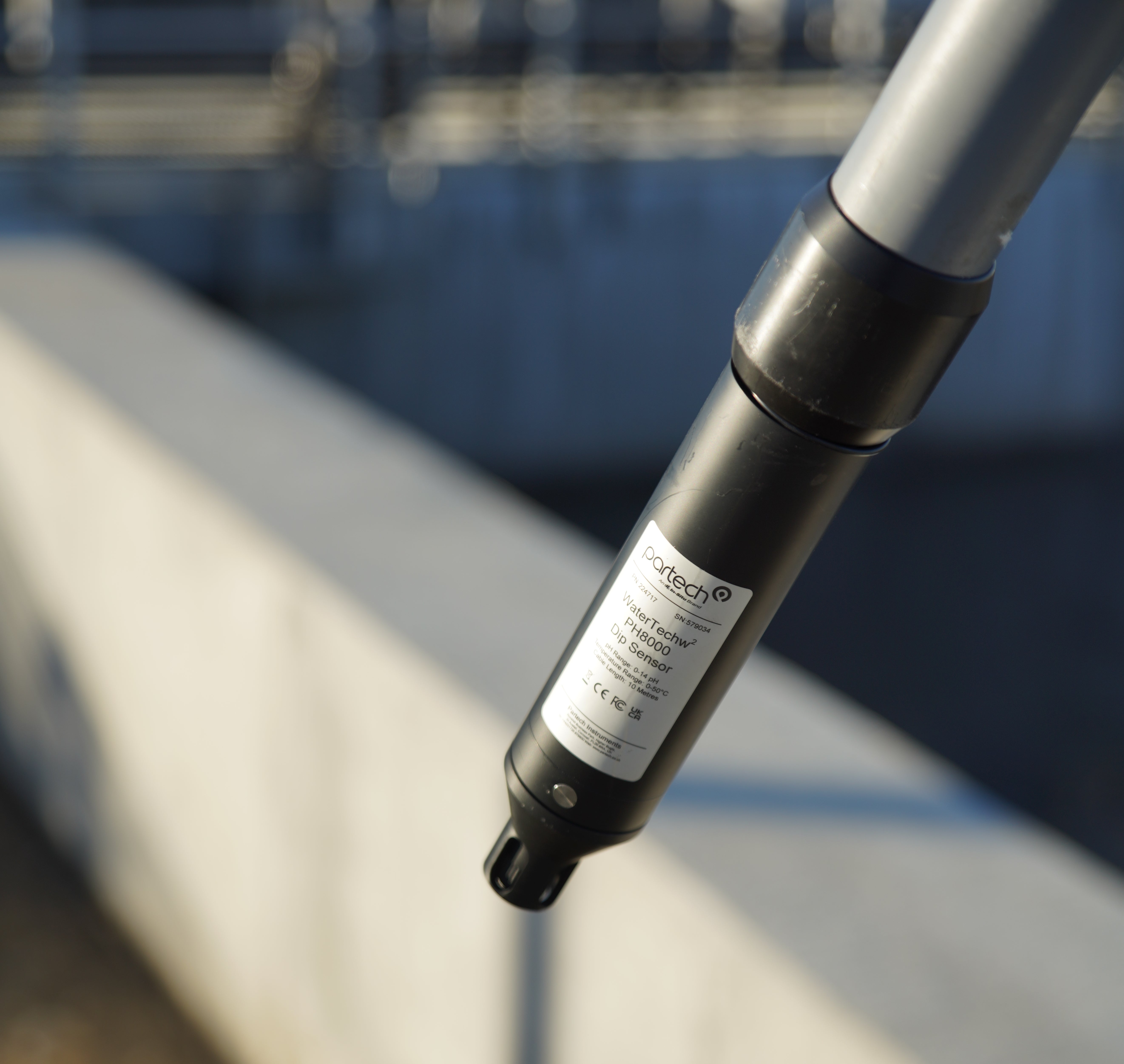
In-Situ Aqua TROLL pH sensors are designed to allow the user to refill the reference solution without replacing the entire sensor for easier maintenance on trips to the field. The WaterTech pH8000 sensor for water and wastewater applications includes a double reference junction with a gel electrolyte and an extended reference path to limit exposure of the reference electrode to contaminants. This requires replacement of the entire sensing element when reference solution runs low, but protects data quality and extends the life of the sensor in harsh industrial waters.
What are common challenges when monitoring pH?
Variable Water Level
pH sensors need to remain wet at all times to provide accurate measurements. pH sensors left in dry conditions will need to be rehydrated and possibly recalibrated before use. For this reason, it’s important to consider location and avoid installing pH sensors in locations with variable water level or flow. This is especially relevant for monitoring ephemeral streams, tidal environments and wells during pumping tests. Tracking changes in water level helps identify extremes of dry and wet conditions to design an installation where the pH sensor will remain saturated at all times.
Ionic Strength of Water
Ionic strength is the measure of the concentration of ions in a solution. In most water bodies, the difference in ionic concentration between the reference solution and the water around the sensor will not be substantial enough to cause problems. The exception is deionized (DI) water, which is extremely low in ion concentration compared to the reference solution. This imbalance causes the ions in the reference solution to leach into the water through the reference junction much faster than it otherwise would. As the reference solution enters the water, deionized water moves into the reference electrode, thereby changing the concentration of the reference solution and interfering with the reference electrode’s ability to provide a stable charge.
Never store pH sensors in deionized water (see “Sensor Storage and Maintenance”). In drinking water applications, a double reference junction is essential to slow the effect of purified water on the reference electrode.
Reference Solution
The reference junction must be permeable to the analyte solution to get an accurate pH reading. This necessary design feature means that a small amount of the reference solution leaks out of the sensor at a slow but steady rate. Reference solution life will vary depending on the manufacturer; in sensors with nonrefillable reference junctions, the entire sensing element must be replaced when solution runs dry. For Aqua TROLL pH sensors, the reference solution must be refilled every few months (the exact interval will vary by application).
Reference junction design also means that pH sensors must be calibrated more frequently than other water quality sensors and that they must remain saturated at all times–in storage and in the field.
Sensor Storage and Maintenance Reference Solution
Whether deployed or in storage, pH sensors need to remain saturated at all times or the pH electrode could be damaged. pH readings are dependent upon the interface between the glass bulb electrode and the concentration of hydrogen ions in the analyte solution. When the pH sensor is submerged, a gel layer builds up across the glass bulb. This layer is a critical part of the sensor measurement, as it allows the electrochemical potential of the solution to distribute uniformly across the glass. The gel layer will break down if the sensor is stored dry, and the sensor will drift or provide inaccurate readings.
The reference solution can also evaporate out of the reference junction if sensors are stored dry, leaving crystallized buildup around the frit. The frit must remain porous to the analyte solution for the sensor to function; if crystals or salts clog the frit, the sensor will no longer read accurately.
Keep in mind that you should never use deionized (DI) water to store your pH sensor (see “Ionic Strength of Water”). Store pH sensors in pH 4 buffer solution.
What makes In-Situ pH sensors unique?
pH sensor design varies based on the needs of different applications. For example, environmental monitoring may require more frequent pH readings and therefore benefit from the faster response time that a single reference junction provides. On the other hand, a double reference junction is advantageous for pH sensors in wastewater treatment plants, as this design provides better resistance to contamination. In-Situ pH sensors are designed with the conditions of their respective applications in mind, to best support water monitoring efforts in a variety of deployment locations.
Environmental
Stable Reference Design
The stable reference design of the Aqua TROLL pH sensor extends intervals between calibration and reduces maintenance trips to the field. The electronics of the sensor are optimized for stability, reducing noise within the measurement circuits. A large reference chamber holds more solution than typical pH sensors, providing longer service until the reference solution must be refilled. A unique ceramic reference junction minimizes solution leakage.

Refillable Reference Junction
Unlike gel, the reference solution in a pH sensor is easily changed. A replaceable reference junction covers the reference solution chamber. Refilling the solution is quicker and more cost effective than replacing the whole sensor. All Aqua TROLL ISE sensors contain their own reference, so drift is isolated and a pH sensor is not required for deployment with other ISEs.

Fast-Response Sensors
A single reference junction allows for close contact between the sensing element and the water, enabling faster readings. The Aqua TROLL pH sensor also uses a round bulb to improve response time through increased surface area.

Process
Double Reference Junction
pH sensors with a double reference junction are better suited to industrial environments. In a double-junction probe, two chambers of reference solution insulate the sensing element from chemicals or contaminants in the treatment tank. This design allows pH sensors to last longer in wastewater and drinking water treatment facilities, where they’re in contact with harsh chemicals and bacteria.
Extended Reference Path
The two chambers of the WaterTech pH8000 sensor are designed with an Extended Reference Path (ERP) to protect the reference in the presence of interacting ions such as proteins, silver and sulfides. The ERP presents a long, complex path, slowing down the progression of ions from the analyte solution through the reference chambers and extending the life of the sensor in harsh industrial environments.

Wide Reference Junction
The WaterTech pH8000 sensor has a wide reference junction specifically designed for demanding water and wastewater installations. The reference junction must provide an opening for the reference solution to contact the analyte solution. If this opening, or frit, is blocked, the sensor will not read accurately. Any number of things can clog the frit, such as sludge, grease or other fouling common to industrial applications. A small reference junction could be blocked more easily by a small amount of these substances; a wider surface area provides longer functionality if the sensor is partially covered.
Flat-Surface Electrode
Flat-faced sensors are well-suited to high-fouling environments. The flow of water across the sensor face makes it more difficult for fouling to build up, reducing drift and making the sensor easier to clean.
Which pH sensor is right for your application?
Environmental
 Aqua TROLL 400 Multiparameter Probe3.295,00 US$Precios sólo válidos en Reino Unido.
Sonda económica todo en uno con sensores fijos para medir DO, conductividad, temperatura, presión, pH y ORP.
 Aqua TROLL pH / ORP Sensor795,00 US$Precios sólo válidos en Reino Unido.
Esta combinación de sensor de ph y sensor de ORP aumenta significativamente la estabilidad del sensor y la precisión de los datos al tiempo que disminuye el mantenimiento.
Process
 WaterTech pH & ORP Sensors1.000,00 US$Precios sólo válidos en Reino Unido.Sensor de pH, Redox y Temperatura para aplicaciones de aguas residuales, agua potable y efluentes industriales.
Additional Resources
The resources linked below offer guidance on common pH monitoring questions and challenges, provide more information on In-Situ technology and showcase how our customers use pH measurements in a variety of applications.