
Webinars

Tackling Fouling and Data Drift: Smarter Dissolved Oxygen Monitoring in Harsh Environments with the RDO Trio
Dissolved oxygen monitoring in aquaculture and coastal environments presents persistent challenges, including biofouling, data drift, and the maintenance burden of keeping sensors online.…

Smarter Stormwater Monitoring: Level TROLL NC in Action
Watch our on demand webinar where Product Manager, Brittany Jenner, speaks with Chris Davis, founder of Lower 48 Instruments, about one of his recent projects where he used the Level TROLL NC to monit…

Achieving High-Quality Data: Metrics and Best Practices From the Field
High-quality data is the foundation of sound scientific research and the basis for informed decision making.…

Process Monitoring for BNR Optimization: From Sensors to a Plant-Wide Nutrient Analyzer System
This presentation covers ways to match measurement technology with parameter requirements to get accurate, reliable and actionable data and make informed adjustments to the BNR process.…
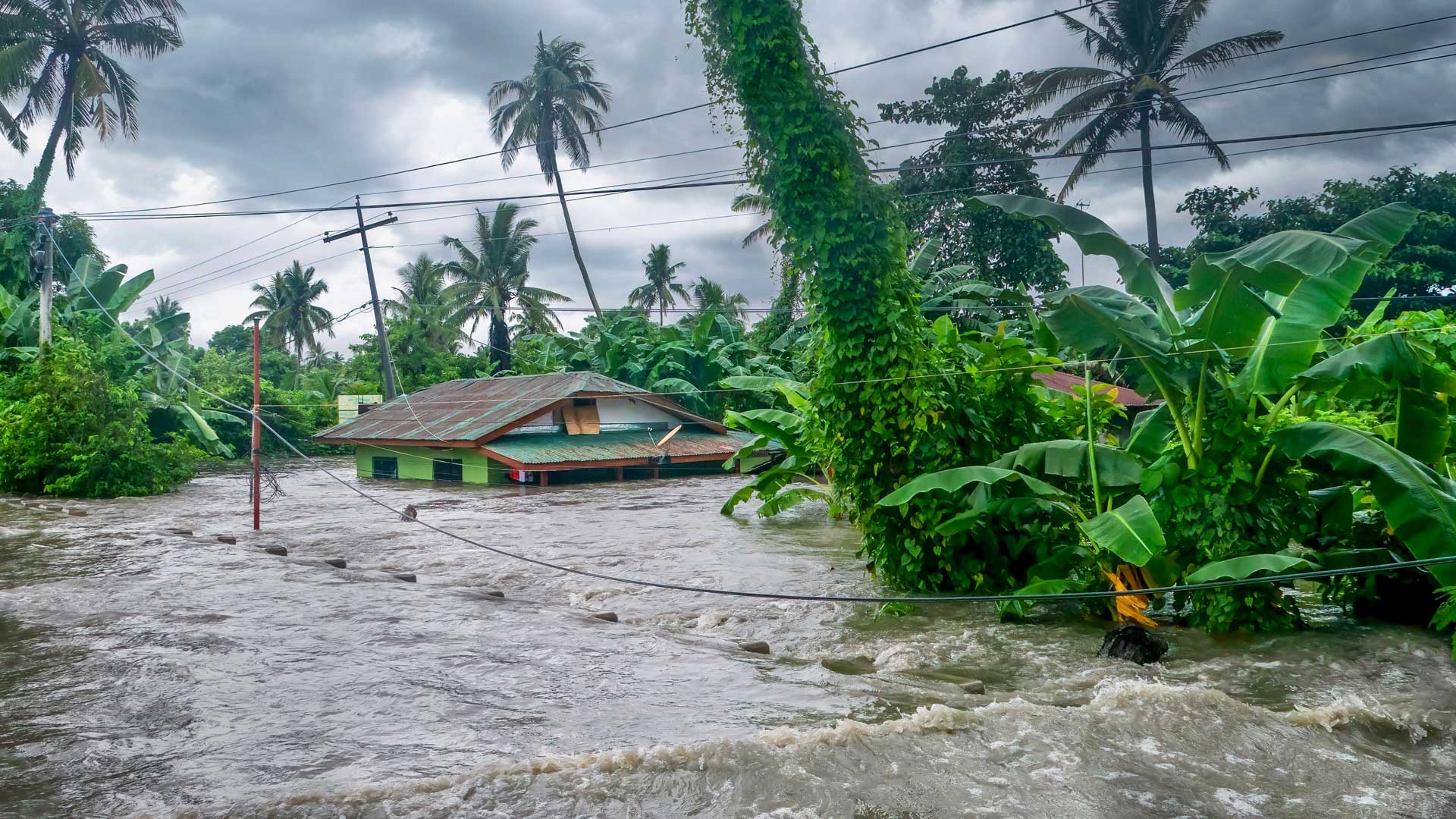
Are You Flood Ready?
Cost-Effective Monitoring Solutions for Data-Driven Emergency Management
Flood preparedness and emergency management has become a critical need around the world, and it is difficult to develop proactive strategies and response plans without timely, accurate data. But with…
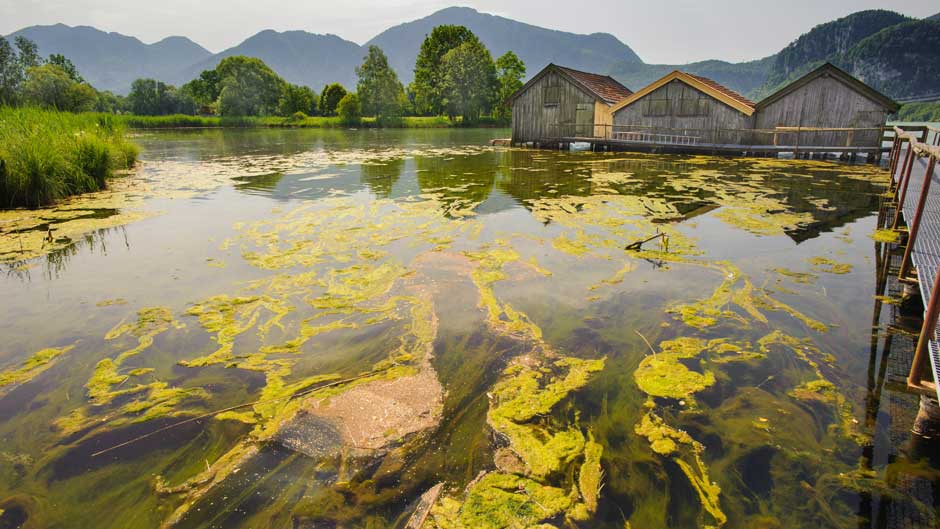
Solutions for Effective Harmful Algal Bloom Monitoring: Instrumentation, Methods and Best Practices
Monitoring fresh water, brackish water and saltwater for harmful algal blooms is more important than ever, as early detection can mitigate effects on human health, habitats, wildlife and industry.…

How to Prepare to Meet New Requirements for CSO Impact Monitoring
The 2021 Environment Act (EA) could require UK water companies to monitor water quality upstream and downstream of thousands of combined sewer overflows, to reduce the incidence of sewage spills into…
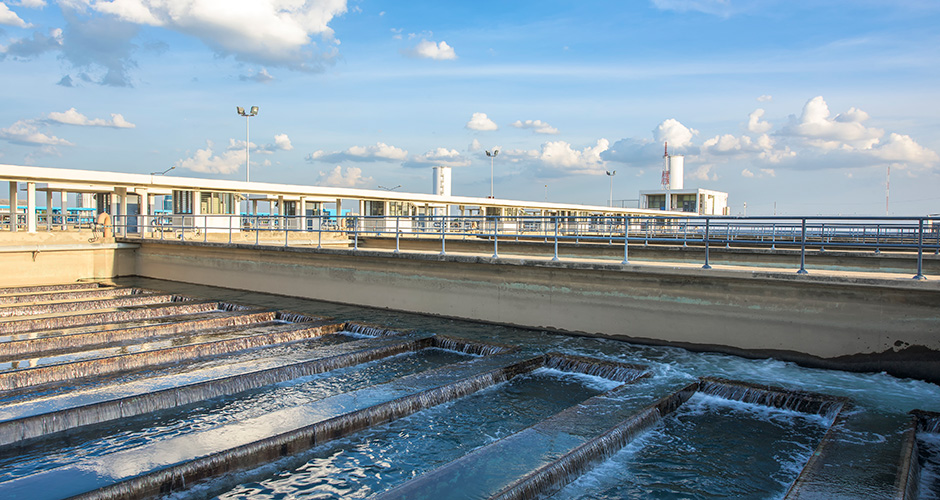
How to Improve Data Quality for Better Water Disinfection Process Control
This webinar will cover primary and secondary disinfection methods with a deeper focus on the benefits and challenges of chlorination and chloramination. We’ll also explore monitoring for consistent…

5 Steps to Successful Continuous Surface Water Monitoring
Are you struggling with remote data collection or wondering how to even begin a continuous monitoring program? This webinar will give you the training, tips and tricks you need to collect continuous,…
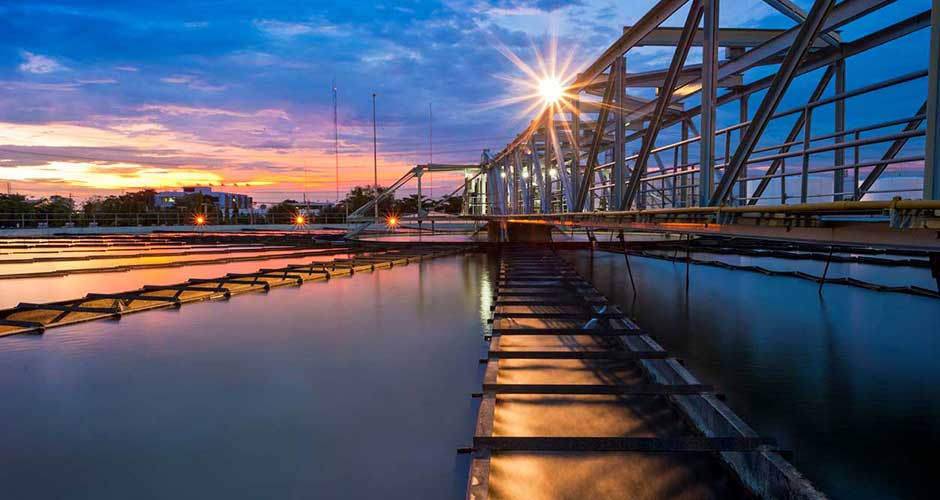
How to Improve Wastewater Treatment Processes and Cost Efficiency with Ammonia-Based Aeration Control
Advances in online analyzers have increased the effectiveness and reach of Ammonia-Based Aeration Control (ABAC) in wastewater treatment plants. This webinar will focus on the global push for ABAC…
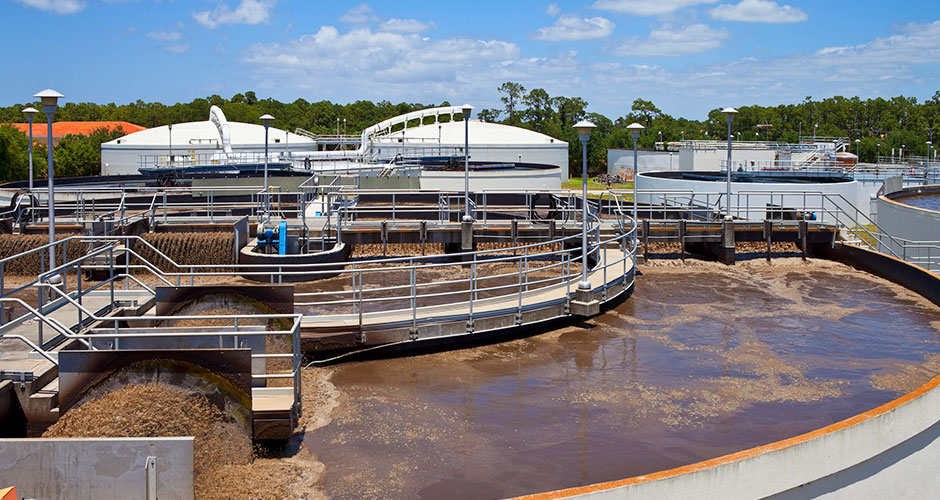
Meet the Challenge of Biological Nutrient Removal with the Right Techniques and Tools
Control of Biological Nutrient Removal (BNR) in wastewater treatment plants can be challenging. This webinar presents the best practices ChemScan has developed during 20 years of working with plants t…
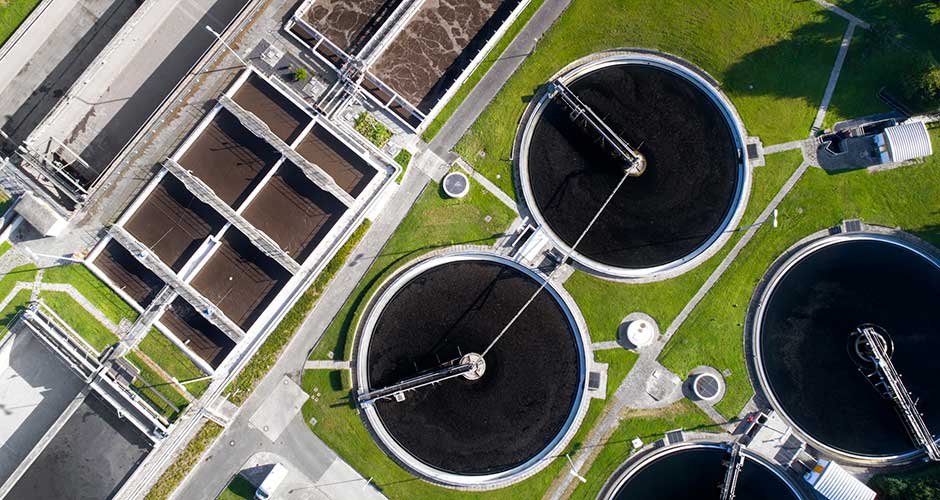
How to Get the Most From Your Dissolved Oxygen Sensors in Wastewater Treatment
Do you rely on Dissolved Oxygen sensors to control your Aeration basins? If you do – join us to learn about some of the issues and considerations when selecting, installing and maintaining those sen…
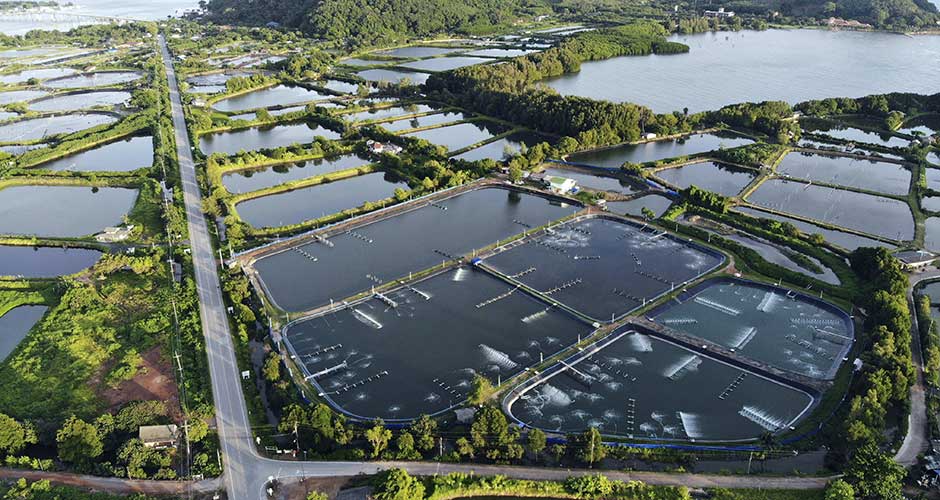
Dissolved Oxygen Monitoring: The Key to a Healthy Aquaculture System
Accurate and affordable dissolved oxygen monitoring is critical to maintaining a healthy aquaculture system. In this webinar we’ll discuss the attributes of dissolved oxygen in water; DO sensor tech…
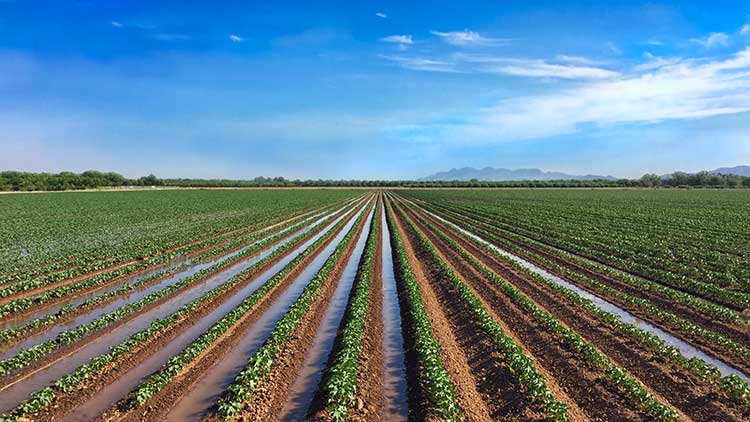
Cost-Effective Flow Monitoring for Agriculture
Water shortages and increased pumping costs are causing farmers and water district managers to consider flow monitoring in irrigation infrastructure. SB88 and other bills have created more need for ed…
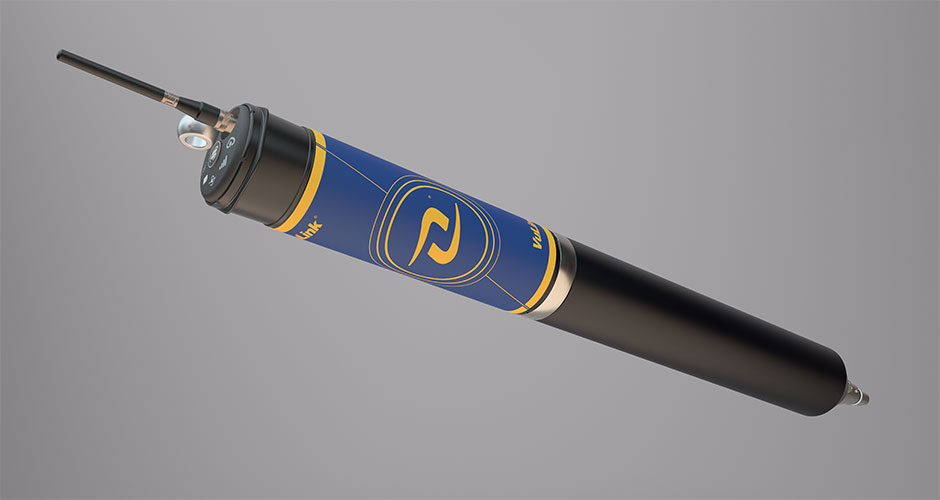
7 Ways VuLink Telemetry Revolutionizes Remote Monitoring
Environmental telemetry has been around for years, yet only a fraction of monitoring professionals use it. Why? Because traditional telemetry has been notoriously difficult to set up, cumbersome to de…
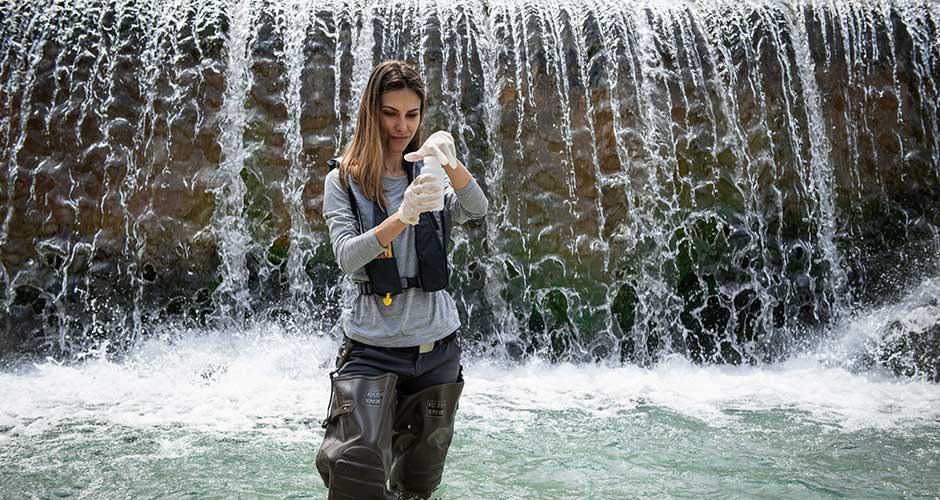
How to Preserve the Integrity of Your Water Sampling Regime
This webinar is a comprehensive guide to maintaining the integrity of your water sample at every stage of the process. We will review best practices for sample and data collection in the field and sam…
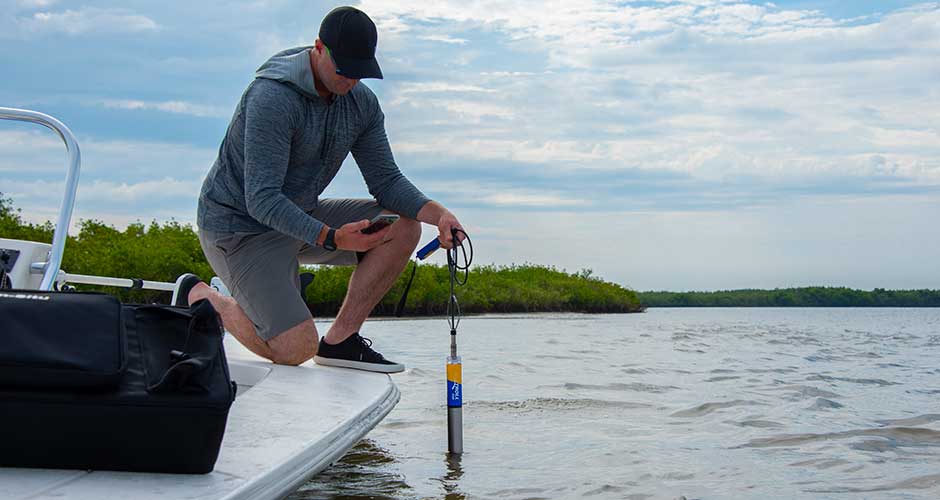
Making Sense of Your Harmful Algal Bloom Data
Is the threat of harmful algal blooms (HABs) keeping you up at night? Are you looking to upgrade or expand your HAB monitoring program? Join surface water application expert Eric Robinson for a succin…

Top 3 Reasons to Switch to Long-Term Harmful Algal Bloom Monitoring
Long-term harmful algal bloom monitoring is easier to manage than ever before. Better instrumentation and drift-resistant sensors have changed the game — basically eliminating every reason to skip t…
Are You Giving Your pH Data the Attention It Deserves?
If you’re monitoring water quality, you’re likely monitoring pH, but what exactly does that mean? Collecting data and making sense of it aren’t necessarily the same thing. Join surface water app…

What You Need To Know About Water Level Measurement With A Pressure Sensor
Water level is a fundamental hydrologic parameter, commonly measured with a submersible pressure transducer in both surface and groundwater. But how well do you know your level data? Hydrogeologist Ad…
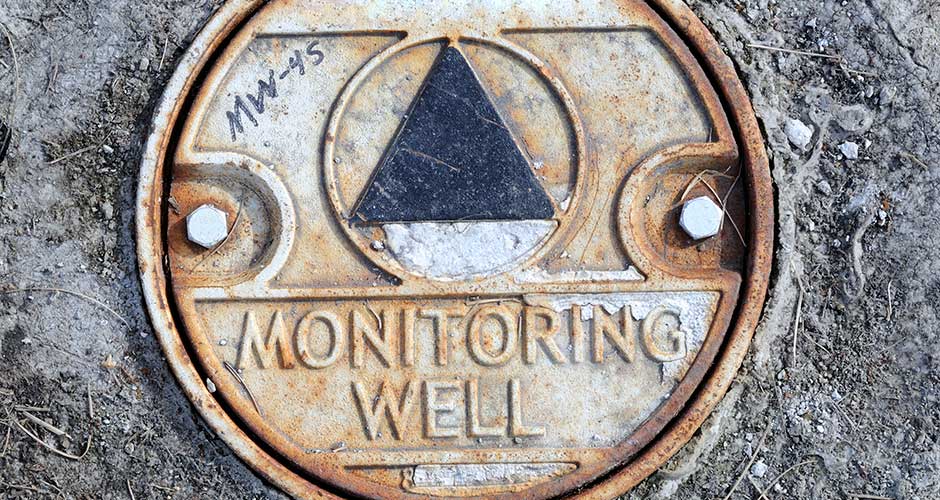
How to Get the Most of Your Transducer Data
Consultants and government agencies dealing with environmental and water resources issues across the United States install transducers in monitoring wells to collect millions of groundwater level meas…
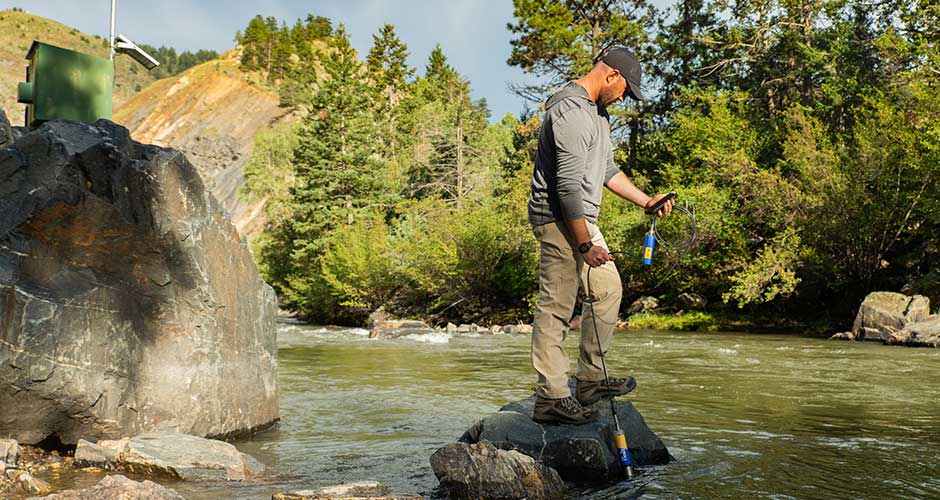
Using Turbidity as a Surrogate for Estimating Suspended Sediment Concentration and Discharge
Two laboratory analytical methods — suspended-sediment concentration (SSC) and total suspended solids (TSS) are predominantly used to quantify concentrations of suspended sediment in surface waters.…
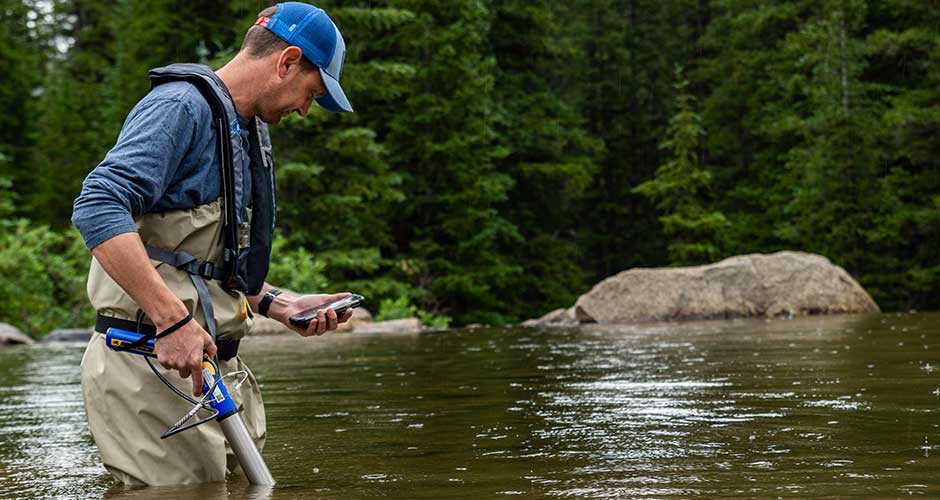
Understanding Suspended Sediments, Solids, and Turbidity
Different standard methods of turbidity field measurement are recommended based on the desired outcome and program protocol requirements. In this webinar, Larry Freeman walks through the definition of…
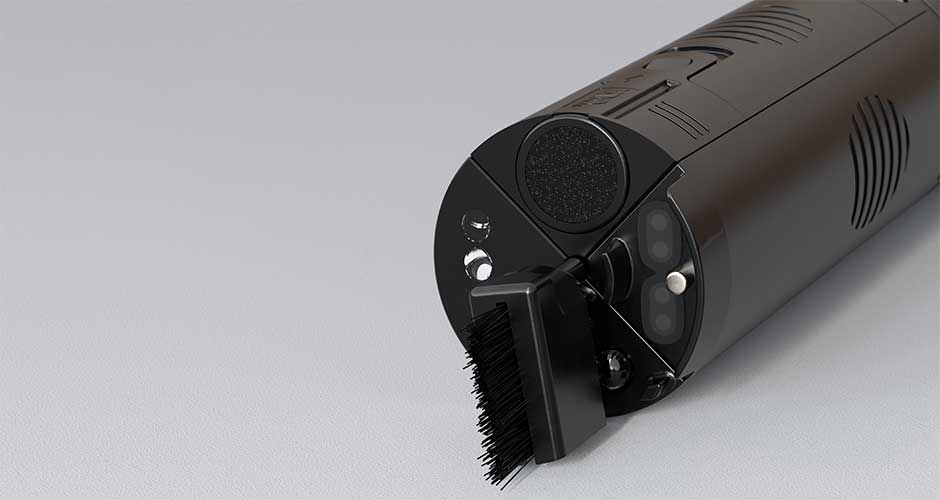
Paradigm Shifts in Water Quality Sensor Design
Historically, water quality monitoring networks have proven to be costly, but the paradigm is shifting, and equipment and data services are becoming more affordable. In this webinar, David Bossie exam…
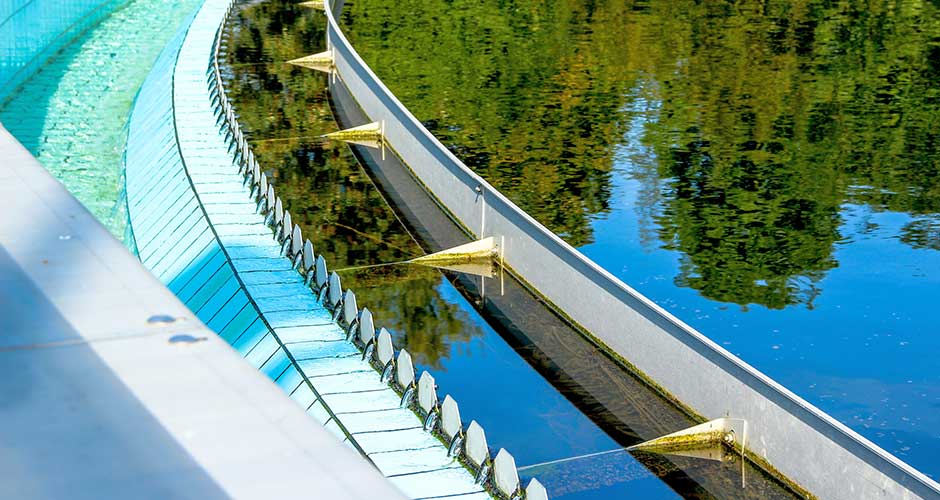
How to Optimize Phosphate Removal Processes in Wastewater Through Real-Time Monitoring
Permitted discharge limits of phosphate have been tightening over the last decade and are set to become more stringent across the globe. Traditional treatment processes are unable to meet these lower…
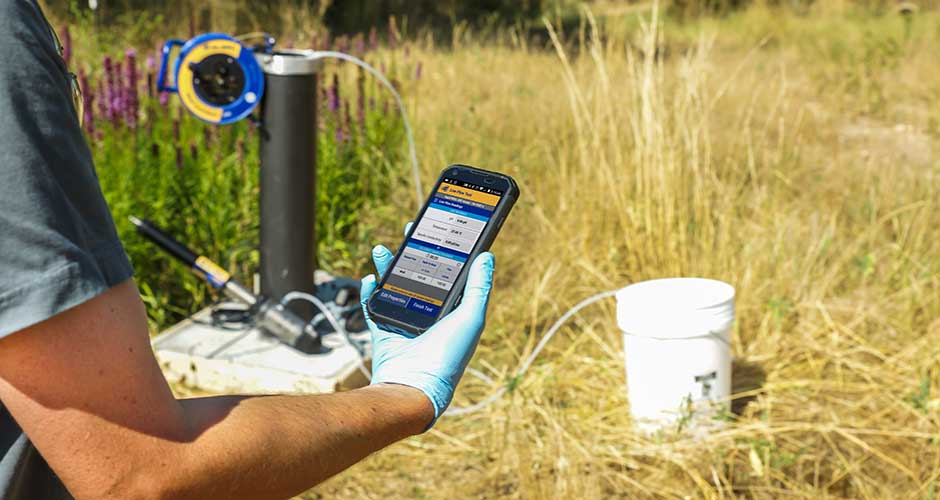
How to Make Low-Flow Groundwater Purging Easy, Affordable and Reliable
Low-flow purging is a common method used to collect groundwater samples for laboratory analysis. Yet the process can be difficult to follow and replicate, and the volume of data can be hard to manage.…
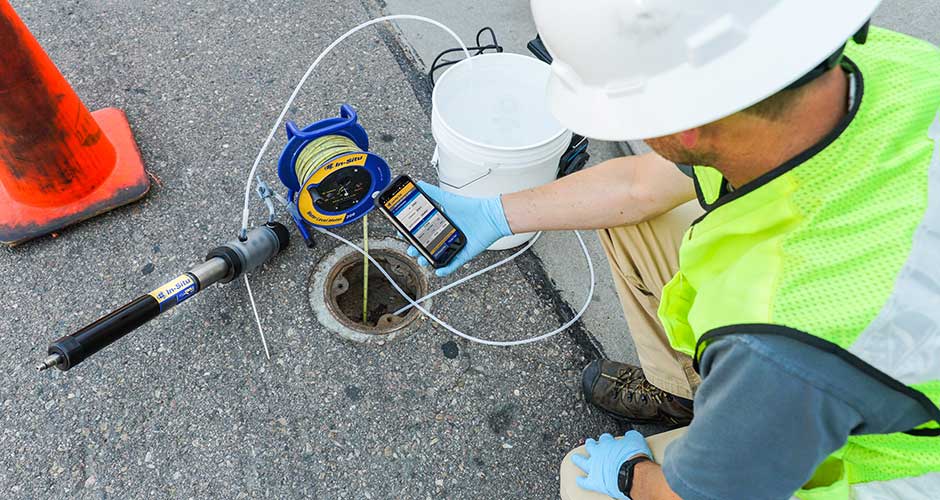
1,4-Dioxane - The Forgotten Emerging Contaminant?
1,4-Dioxane is a contaminant of concern in groundwater particularly at chlorinated solvent release sites. It has become the focus of increasing world-wide regulatory attention. To support our groundw…
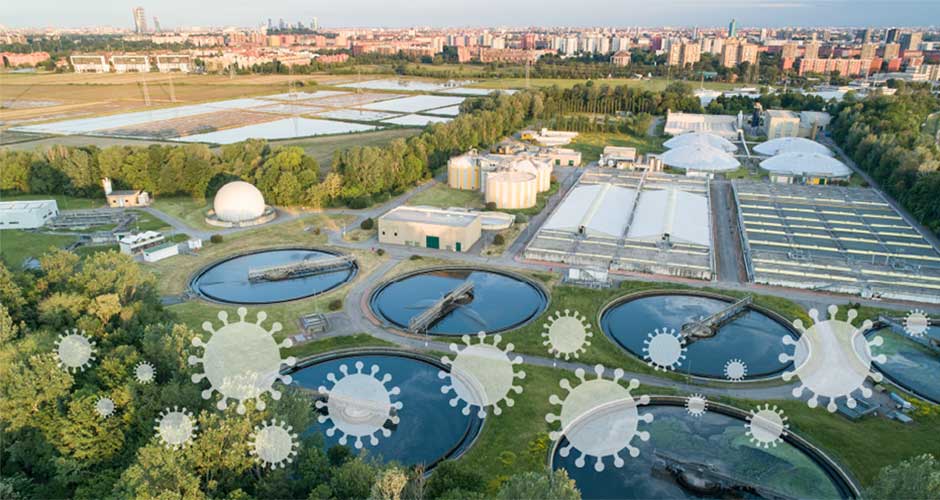
Advancements in Wastewater Monitoring for Rapid COVID-19 Community Spread Detection
The COVID-19 pandemic has taken a terrible toll on human life and economic stability. Early efforts have demonstrated that wastewater testing can monitor overall community infection trends and predict…
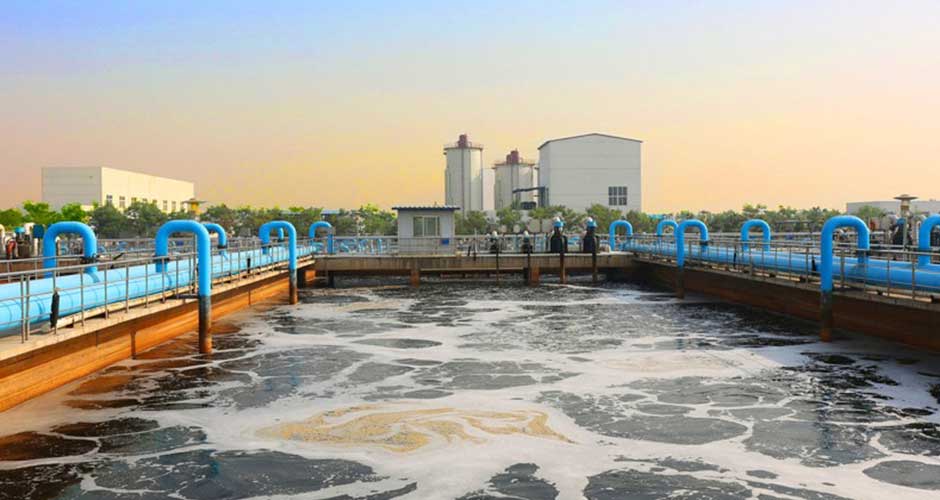
How Doppler Sensors Offer a Cost-Effective Alternative to Electromagnetic Meters
Did you know that insertion-style meters with Doppler ultrasonic technology can significantly reduce the cost of meter ownership in treatment plants and other full-pipe applications? Learn more about…
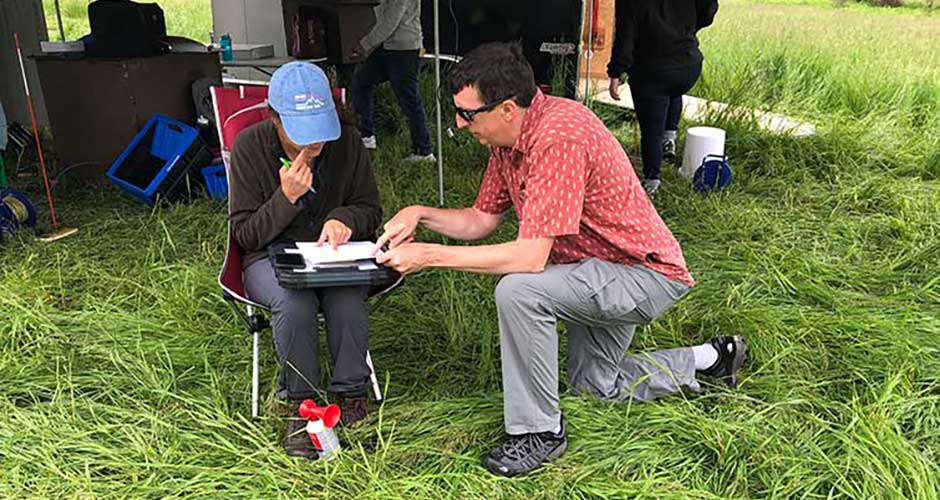
Best In Class: Why More Teachers are Bringing Instrumentation Into the Classroom and Students Into the Field
As the job market tightens, it’s more important than ever that college students graduate fully prepared for the jobs they seek. For this webinar, we’ve brought together three university professors…
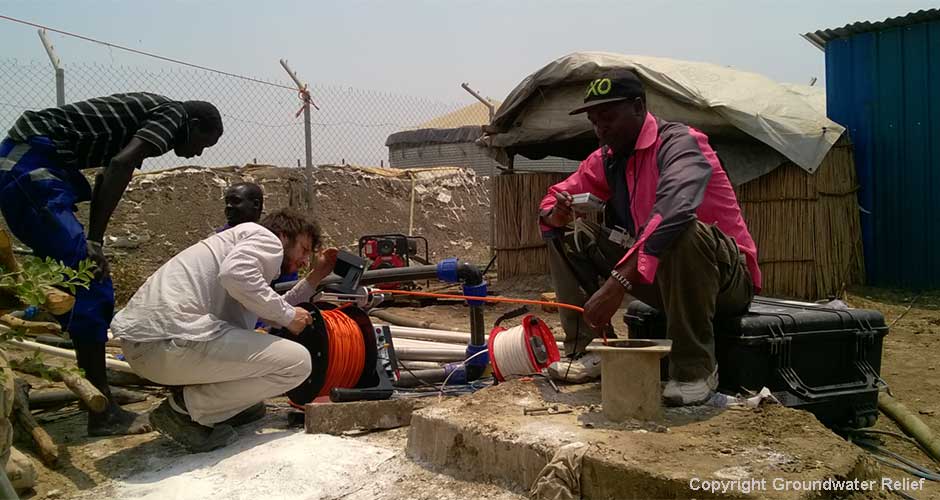
Pushing Progress: The Challenges of Groundwater Data Collection in Humanitarian and Development Work
Within the humanitarian and development sector, monitoring is rarely carried out, and even when it is, data are often inaccessible and of poor quality. Without routine and systematic monitoring of gro…
FAQ: Wastewater Monitoring for Rapid COVID-19 Community Spread Detection
Wastewater monitoring has emerged as the fastest and most effective method for early detection of COVID-19 community spread. Join GT Molecular Director of Research and Development Dr. Rose Nash for a…