
Topics Covered
- What is dissolved oxygen in water?
- How does dissolved oxygen enter water?
- How is dissolved oxygen removed from water?
- What affects the quantity of dissolved oxygen in water?
- What units are used to measure dissolved oxygen?
- Why measure dissolved oxygen?
- How can I compensate for effects on DO measurements?
- What methods are used to measure dissolved oxygen?
- Why use optical DO sensors?
- What makes In-Situ’s Rugged Dissolved Oxygen (RDO) technology unique?
- What are common challenges when monitoring DO?
- Which DO sensor is right for your application?
- Recursos Adicionales
What is dissolved oxygen in water?
Dissolved oxygen (DO) refers to the amount of molecular oxygen (O<sub>2</sub>) present in a water body. O<sub>2</sub> is separate from the water molecule H<sub>2</sub>O. It is essential to the survival of aquatic life and is a key indicator of a water body’s health. It also plays an important role in evaluating industrial and water treatment processes.
How does dissolved oxygen enter water?
Dissolved oxygen can enter water in several ways. If water comes into contact with air that has a higher oxygen concentration, it will naturally absorb some of that oxygen. Aeration increases the rate at which oxygen will enter the water. Natural conditions, such as waterfalls, wind or rocks in streams all create aeration, but this process can also be replicated artificially through paddles, wheels, aerators and pumps. Artificial aeration is often used to control dissolved oxygen levels in applications such as wastewater treatment and aquaculture.
Oxygen can also enter water through photosynthesis. Photosynthesis is the process by which plants take sunlight, carbon dioxide (CO2) and water (H2O) and convert these resources into energy, which they store in the form of glucose. During this process, H2O becomes O2. When plants photosynthesize in water, they release this molecular oxygen into the water and DO levels increase.

How is dissolved oxygen removed from water?
Dissolved oxygen can diffuse into the atmosphere the same way it enters water. If the concentration of oxygen is lower in the air than in the water, O2 will transfer from one substance to the other.
Dissolved oxygen levels will drop as plants and other aquatic organisms consume oxygen. Plants consume oxygen when they convert their glucose stores into energy, and fish and other aquatic creatures need oxygen to breathe. This is why the concentration of dissolved oxygen will fluctuate during a 24-hour cycle. Organisms are always consuming DO; at night, DO levels drop when plants stop photosynthesizing and don’t replenish the supply.
What affects the quantity of dissolved oxygen in water?
Atmospheric/Barometric Pressure
One of the ways dissolved oxygen enters water is from the air. When barometric pressure increases, there’s a greater force of pressure on water that comes into contact with the atmosphere, causing more oxygen to diffuse into the water.
Temperature
Rising temperatures reflect a higher level of kinetic energy, creating an inverse relationship with dissolved oxygen levels. Warm waters can take on less dissolved oxygen, while cold waters can take on more.
Rising temperatures reflect a higher level of kinetic energy, creating an inverse relationship with dissolved oxygen levels. Warm waters can take on less dissolved oxygen, while cold waters can take on more.
Salinity
Salinity also has an inverse relationship to dissolved oxygen, though its effect is less pronounced than temperature. Higher salinity levels increase the polarity of water. This decreases the saturation point of the oxygen molecules, making it more difficult for them to dissolve.
Salinity also has an inverse relationship to dissolved oxygen, though its effect is less pronounced than temperature. Higher salinity levels increase the polarity of water. This decreases the saturation point of the oxygen molecules, making it more difficult for them to dissolve.
Bioactivity
Bioactivity creates fluctuations in dissolved oxygen levels. As plants photosynthesize, they release oxygen, increasing DO concentrations. But many organisms–including fish, plant life and bacteria–consume oxygen as well. If the rate at which these organisms consume oxygen exceeds the rate at which DO enters the water, dissolved oxygen levels will drop. Because DO is a food source for bacteria, the presence or absence of dissolved oxygen can indicate which types of bacteria might be present in a water body. It can also play a role in remediation, as bacteria can be added to groundwater to consume contaminants and those bacteria need dissolved oxygen to carry out that process.
Bioactivity creates fluctuations in dissolved oxygen levels. As plants photosynthesize, they release oxygen, increasing DO concentrations. But many organisms–including fish, plant life and bacteria–consume oxygen as well. If the rate at which these organisms consume oxygen exceeds the rate at which DO enters the water, dissolved oxygen levels will drop. Because DO is a food source for bacteria, the presence or absence of dissolved oxygen can indicate which types of bacteria might be present in a water body. It can also play a role in remediation, as bacteria can be added to groundwater to consume contaminants and those bacteria need dissolved oxygen to carry out that process.
Flow
Aeration increases the rate at which oxygen enters water. Higher flow rates will increase the dissolved oxygen concentration in the water when accompanied by turbulence.
Aeration increases the rate at which oxygen enters water. Higher flow rates will increase the dissolved oxygen concentration in the water when accompanied by turbulence.


What units are used to measure dissolved oxygen?
Dissolved oxygen is most commonly measured in milligrams per liter (mg/L), percent saturation or parts per million (PPM). Milligrams per liter and parts per million indicate concentration—a quantitative measure of the amount of DO per given volume of water. Percent saturation is a relative measure of how much oxygen is present compared to the theoretical amount of oxygen a body of water can hold at equilibrium.
Why measure dissolved oxygen?
Measuring DO provides critical information on ecosystem health and helps maintain optimal treatment process conditions.
Fish, bacteria and other aquatic organisms need dissolved oxygen to survive, so environmental scientists monitor DO to determine a water body’s ability to support a diverse array of life. Aquaculturists monitor and regulate DO levels to protect the health of their stock. And groundwater professionals look to DO to evaluate the stability of many organic and inorganic contaminants in groundwater and assess the effectiveness of remediation solutions.
Dissolved oxygen plays an important role in wastewater treatment as well. Monitoring DO is important to ensure the survival of microbes that help break down contaminants. Tracking DO levels helps improve efficiency in several stages of the treatment process including activated sludge, ammonia based aeration control, biological nutrient removal and effluent discharge.
Surface Water & Coastal
DO is a primary indicator of a water body’s ability to support life and therefore its overall health. The amount of oxygen dissolved in water naturally fluctuates throughout the day, but dramatic changes in DO levels are a key part of understanding how storm events, pollution, combined sewer overflows (CSOs) and other factors influence water quality in rivers, lakes, wetlands and other environments.
Dissolved oxygen is crucial to monitoring and understanding the life cycle of harmful algal blooms (HABs). HABs create extreme fluctuations in DO over the course of their life cycle. As HABs grow, organisms can’t consume as much oxygen as algae produces during photosynthesis. This causes DO levels to spike and puts the surrounding environment at risk of supersaturation. But levels quickly drop as HABs die. The abundant algae is a prime food source for bacteria and other organisms. These lifeforms consume oxygen, and without photosynthesis to replenish the supply, DO is depleted.
Waters with a dissolved oxygen concentration below two milligrams per liter are considered hypoxic, meaning they don’t contain enough DO to support life. Conditions that cause DO to drop considerably can create hypoxia and result in large-scale die-offs as organisms suffocate.
Dissolved oxygen is a key parameter for aquaculture operations and the transport of aquatic creatures. Whether raising fish or shellfish in inland ponds, recirculating aquaculture systems (RAS) or open pens, aquaculturists need to keep DO within a certain range so that fish and other stock animals can breathe. Beyond survival, accurate, continuous dissolved oxygen data helps farmers make more informed decisions to increase their yield. Anticipating fluctuations in DO throughout the day and keeping a close eye on DO levels can help farmers optimize feeding schedules, run aerators more efficiently, and protect stock health to maximize return on investment.
Dissolved oxygen is crucial to monitoring and understanding the life cycle of harmful algal blooms (HABs). HABs create extreme fluctuations in DO over the course of their life cycle. As HABs grow, organisms can’t consume as much oxygen as algae produces during photosynthesis. This causes DO levels to spike and puts the surrounding environment at risk of supersaturation. But levels quickly drop as HABs die. The abundant algae is a prime food source for bacteria and other organisms. These lifeforms consume oxygen, and without photosynthesis to replenish the supply, DO is depleted.
Waters with a dissolved oxygen concentration below two milligrams per liter are considered hypoxic, meaning they don’t contain enough DO to support life. Conditions that cause DO to drop considerably can create hypoxia and result in large-scale die-offs as organisms suffocate.
Dissolved oxygen is a key parameter for aquaculture operations and the transport of aquatic creatures. Whether raising fish or shellfish in inland ponds, recirculating aquaculture systems (RAS) or open pens, aquaculturists need to keep DO within a certain range so that fish and other stock animals can breathe. Beyond survival, accurate, continuous dissolved oxygen data helps farmers make more informed decisions to increase their yield. Anticipating fluctuations in DO throughout the day and keeping a close eye on DO levels can help farmers optimize feeding schedules, run aerators more efficiently, and protect stock health to maximize return on investment.
Groundwater
Dissolved oxygen is found in groundwater more often than one might expect. If water recharging an aquifer comes into contact with the atmosphere first, dissolved oxygen can enter the water and remain there.
In groundwater sampling, monitoring DO is one way to determine when conditions have stabilized. Water in the well screen can possess different characteristics than the aquifer surrounding it. When dissolved oxygen levels stop changing during a well purge, it’s a sign that the water sample is representative of the aquifer.
Similarly, dissolved oxygen can play a role in evaluating well construction. As with a well purge, stabilized DO indicates the well is bringing in water from the aquifer and will function as intended.
Depending on the contaminant present, oxygenating groundwater can be an important step in the remediation process. In some cases, remediation involves adding microbes to groundwater to consume the contaminants. Adding dissolved oxygen is essential for this strategy to work. DO feeds the microbes; with adequate DO, microbial activity and numbers increase and they’re able to process more contaminants.
Wastewater
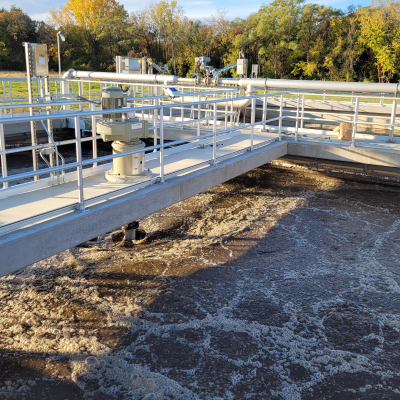
Dissolved oxygen plays a crucial role in wastewater treatment as well. Microbes are an essential part of this process, as they break down contaminants in the water. Treatment plants use aerators to “activate” the sludge, pumping dissolved oxygen into the contaminated water so aerobic bacteria have the resources they need to grow and reproduce. The bacteria help prepare the water for the next stage in the treatment process by decomposing organic material and changing the chemical makeup of the sludge through nitrification.
Treatment plants must meet regulatory requirements when discharging treated wastewater, or effluent, back into the environment. These requirements are in place to ensure effluent contains a healthy level of nutrients and doesn’t create plant overgrowth or hypoxia after discharge. Nutrient removal processes also require the presence of microbes and bacteria to control levels of nitrogen, phosphorous and other nutrients, and dissolved oxygen is an important factor in creating optimal conditions for these organisms.
How can I compensate for effects on DO measurements?
In-Situ's RDO sensors automatically measure and compensate for temperature. When used in an Aqua TROLL multiparameter instrument with a conductivity sensor, RDO sensors also compensate for salinity. The In-Situ RDO Trio includes a conductivity sensor and has integrated salinity compensation.
If measuring DO without a conductivity sensor, input an estimated value for salinity in the VuSitu mobile app. While this estimate won’t be as accurate as the automatic compensation a sensor can provide, this allows VuSitu to perform the calculations for you to reduce time and effort in the field.

What methods are used to measure dissolved oxygen?
There are several methods of measuring dissolved oxygen. Traditionally, determining dissolved oxygen levels involved taking a water sample and sending it to a lab for analysis. Two methods of laboratory analysis can be used to evaluate the concentration of dissolved oxygen in water: the Colorimetric Method and Winkler Titration.
Colorimetric Method
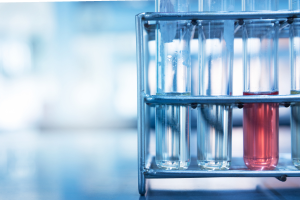
In the Colorimetric Method, a reagent is combined with the sample to give the solution a color. The resulting color will be more vibrant if the solution contains a higher concentration of the selected parameter. A wavelength of light is then chosen based on what the parameter will absorb. The amount of the parameter present can be calculated based on how much light is able to pass through the solution.
Winkler Titration Method
In the Winkler Titration Method, reagents are added to a water sample to create an acid compound. When titrated with a neutral compound, the solution will change color. The point at which this change occurs indicates the concentration of dissolved oxygen in the sample.

These older methods of DO measurement can only indicate the concentration of DO at a single point in time. While analysis occurs–in the lab or in the field–DO levels can change considerably.
Over time, technology evolved to produce sensors that automatically measure dissolved oxygen when submerged in a liquid or gas. There are two types of these sensors: electrochemical and optical.
Electrochemical Sensors
Electrochemical sensors, also known as membrane-based or membrane-covered sensors, come in two varieties, polarographic and galvanic. The sensing element is covered by a semipermeable membrane that allows dissolved oxygen to pass through. There are two electrodes–a cathode and an anode–within the sensor, surrounded by an electrolyte solution. Though polarographic and galvanic sensors use different methods of measurement, both use the electrical properties of water to determine the concentration of dissolved oxygen.
All electrochemical sensors need to pass current to take a measurement, giving them a higher power requirement than optical sensors. They also need continual flow across the sensor face to read accurately, because they consume oxygen while operating. If deployed in small, localized areas, this could change the concentration of DO or deplete it enough that the sensor can no longer take readings. To ensure accurate measurements, electrochemical sensors require either aeration or a stirring system to circulate water around them.

Optical Sensors
Optical sensors measure luminescence decay to determine the partial pressure of oxygen and calculate concentration of dissolved oxygen. In-Situ’s RDO sensors measure dissolved oxygen through a process called “dynamic luminescence quenching.” The sensor uses a special RDO cap with a gas-permeable sensing foil. The sensing foil contains “lumiphore” molecules which fluoresce when excited by blue light. A blue LED inside the sensor emits blue light, and the sensing foil in turn emits red photons. If oxygen is present, the oxygen molecules quench this fluorescence, so fewer red photons are emitted.
The distance between the peaks of the blue emission wavelength and the red reference wavelength is called the phase angle shift. Phase angle shift is proportional to the partial pressure of oxygen in the liquid or gas surrounding the sensor. As it measures the delay of the returned signal, it is thus based on the fluorescence “lifetime” rather than “intensity.” Therefore, DO concentration is derived from measuring the luminescence lifetime based on the phase shift between red returned light from the excited lumiphore molecules and the red reference light from the red LED.

Why use optical DO sensors?
Selecting the right measurement method is crucial to to data accuracy. While electrochemical DO sensors have a lower initial cost, optical sensors require less maintenance and are more durable overall, making them a better long-term investment.
| Sensor Properties | Electrochemical | Optical |
|---|---|---|
| Requires stirring, warm-up time, hydration, conditioning and special storage | Yes | No, ready to go out of the box |
| Recalibration and maintenance interval | 2–8 weeks | As needed |
| Membrane durability | Vulnerable to harsh conditions, frequent damage | Durable, long lasting |
| Sensor cap replacement interval | 6 months | ~ 2 years |
| Performance at low DO concentrations | May be less accurate in low DO environments | Maintains high-accuracy readings at low sample volumes |
| Vulnerable to sulfides, sulfates, carbon dioxide, ammonia, pH or chloride | Readings potentially affected | Unaffected |
| Requires water movement for accurate measurements | Yes | No |
| Consumes oxygen | Yes | No |
What makes In-Situ’s Rugged Dissolved Oxygen (RDO) technology unique?
EPA-Approved Method
Many available optical technologies haven’t been independently tested and certified. In-Situ’s Rugged Dissolved Oxygen technology was developed through extensive lab testing and the methodology has been approved by the United States EPA.
Abrasion Resistance
Many DO sensors quickly degrade when cleaned with brushes or deployed in harsh conditions. RDO technology uses a unique three-layer system to protect the luminescing layer, which extends the life of the sensor cap. This construction allows the cap to withstand rapid flow rates, high sediment loads and a wide range of demanding environments, withstanding up to years of continuous use and cleaning.

Smart Sensor Cap
Optical DO sensing foils can show a high degree of variability batch to batch and require specific calibration coefficients. Every RDO foil is calibrated at 90 discrete points. These coefficients are stored in a memory chip embedded in the cap. Recalibrating the instrument is as simple as pressing on a new cap–the cap will automatically load the factory data, eliminating the need to enter coefficients manually or connect the instrument to a computer.

Instant Hydration Conditioning
RDO sensors are ready to go right out of the box. They don’t require hydration and read accurately within 90 seconds of going from dry to wet conditions.
Liquid and Gas Formulation
RDO Technology measures accurately in both liquid and gas, without requiring separate calibrations or change of settings.
What are common challenges when monitoring DO?
Biofouling
As in any monitoring program, biofouling will grow on the sensors when instruments are left in the field. This can lead to data drift and even damage the sensor if fouling is left unchecked. While all equipment needs routine maintenance to function as intended, In-Situ offers active and passive antifouling accessories to help minimize the need for maintenance trips to the field. Adding an antifouling wiper to the Aqua TROLL Multiparameter Sondes helps keep sensor faces free of biogrowth, while the antifouling restrictor uses a specially-formulated copper alloy to discourage organisms from growing on the sonde.
Calibration
In some applications, such as HAB monitoring, dissolved oxygen levels can swing dramatically–sometimes fluctuating from 10 to 250 percent in the same day. Though In-Situ DO sensors operate with very low drift for long periods of time, when looking at such big changes in DO levels, it’s important to check calibration more often to make sure your sensor is taking accurate readings. In-Situ’s multiparameter instruments have a reversible restrictor that serves as a calibration cup for convenient calibration in the field. The VuSitu app guides you through one-point or two-point calibrations.
Diffusion
In groundwater applications, it’s important to ensure samples analyzed at the surface accurately represent DO levels within the well. Water at greater depths isn’t interacting with the atmosphere, but there’s a chance oxygen might diffuse into the water when brought up to the surface if sampling isn’t controlled. To ensure accurate DO readings, either lower a DO sensor directly into the well, or use a flow cell to monitor DO at the surface.
Ephemeral Streams
Some sites may have extreme variation in flow day to day or throughout the year. This can make it difficult to select a continuous monitoring site if a sensor is hydration dependent and needs to be stored in water or recalibrated after dry storage. In-Situ sensors don’t require wet storage and can read accurately within 90 seconds of going from dry to wet conditions, delivering reliable data in variable environments.
Which DO sensor is right for your application?
In-Situ offers a variety of fixed and portable instruments that fit the needs of dissolved oxygen monitoring in many applications. Our patented RDO Technology, which uses the EPA-approved method for optical DO measurement, is a key feature of our DO probes. Designed to resist fouling in the harshest conditions, our sensors are easy to set up, use, calibrate and maintain. Their industrial construction and triple-layer abrasion-resistant cap prolongs accuracy for reliable DO data with a low long-term cost of ownership.
Environmental
 Aqua TROLL RDO Sensor ( Includes RDO X Cap )995,00 US$Precios sólo válidos en Reino Unido.
Este sensor RDO mide el oxígeno disuelto y está diseñado para soportar condiciones ambientales adversas al tiempo que proporciona la mejor precisión de su clase.
 Aqua TROLL 400 Multiparameter Probe3.295,00 US$Precios sólo válidos en Reino Unido.
Sonda económica todo en uno con sensores fijos para medir DO, conductividad, temperatura, presión, pH y ORP.
 RDO BLUE849,00 US$Precios sólo válidos en Reino Unido.
La tecnología RDO® óptica de próxima generación ofrece una medición de OD precisa y confiable para entornos exigentes a un coste menor.
 RDO Trio1.995,00 US$Precios sólo válidos en Reino Unido.
RDO® Trio delivers accurate dissolved oxygen measurements with built-in salinity compensation.
Process
 OxyTech RDO Sensor for 750400,00 US$Precios sólo válidos en Reino Unido.El sensor OxyTech RDO se conecta al monitor portátil 750 para una verificación puntual simple y en tiempo real del oxígeno disuelto en diversas aplicaciones de aguas residuales.
 RDOX Portable Optical Dissolved Oxygen Sensor945,00 US$Precios sólo válidos en Reino Unido.La sonda portátil RDOX permite a los operadores monitorear el OD en procesos de afluentes, efluentes y tratamiento.
 RDOX Optical Dissolved Oxygen Sensor1.800,00 US$Precios sólo válidos en Reino Unido.
RDOX, la sonda robusta de oxígeno disuelto (RDO), utiliza tecnología óptica para medir OD en entornos exigentes de procesos de aguas residuales y está disponible en acero inoxidable.
OEM
In-Situ also partners with leading companies on innovative solutions for DO monitoring in a wide range of applications such as laboratory applications, semiconductor process monitoring, aquatic transport and more. The OEM RDO Core Sensor Module allows partners to integrate RDO technology into an instrument that looks and feels like their product lines and fits seamlessly within their ecosystem. A selection of core models provides support for flexible communication protocols and fit within several types of instruments, including cameras, autonomous underwater vehicles and battery-powered devices. Visit in-situ.com/oem to learn more.
More Resources
The resources linked below offer guidance on common DO monitoring questions and challenges, provide more information on In-Situ’s RDO Technology and showcase how our customers use DO in a variety of applications.
- Seminario web Tackling Fouling and Data Drift: Smarter Dissolved Oxygen Monitoring in Harsh Environments with the RDO Trio
- Seminario web How to Get the Most From Your Dissolved Oxygen Sensors in Wastewater Treatment
- Seminario web Dissolved Oxygen Monitoring: The Key to a Healthy Aquaculture System
- Noticias Setting a New Standard for DO Monitoring: Product Manager Tom Koniuta on In-Situ’s New RDO Trio
- Noticias Simplify DO Monitoring with Flexible, Low-Maintenance Sensors
- Noticias Product Manager Kate Haga Talks about In-Situ’s New Dissolved Oxygen Sensor Module for OEM Partners
- Noticias Real-Time Oxygen Monitoring Improves Game & Fish Stocking Program
- All Videos How-To - Calibrating the Aqua TROLL RDO Sensor Video
- All Videos Product - Coastal Monitoring with the RDO Trio Video Short
- Technical Notes RDO® CAP EXPLAINER
- Technical Notes RDO Sensor: Frequently Asked Questions Tech Note
- Technical Notes In-Situ RDO Sensors Use the Latest Advancements in Optical Measurement Technology
- Technical Notes RDO Sensor: EPA Approves In-Situ Optical RDO Methods (FAQ) Tech Note
- Technical Notes RDO Sensor: Two-Point Dissolved Oxygen Calibration Using Yeast Tech Note
- Technical Notes In-Situ® RDO® Methods for Analysis of BOD, CBOD, and DO
- Technical Notes Comparing Performance of DO Probes and Examining Payback of the RDO PRO Probe Used to Monitor Aeration Basins
- Technical Notes Optical Dissolved Oxygen Methods Outperform Traditional Methods